



World Cup 2026: The 48-Team Format, Explained
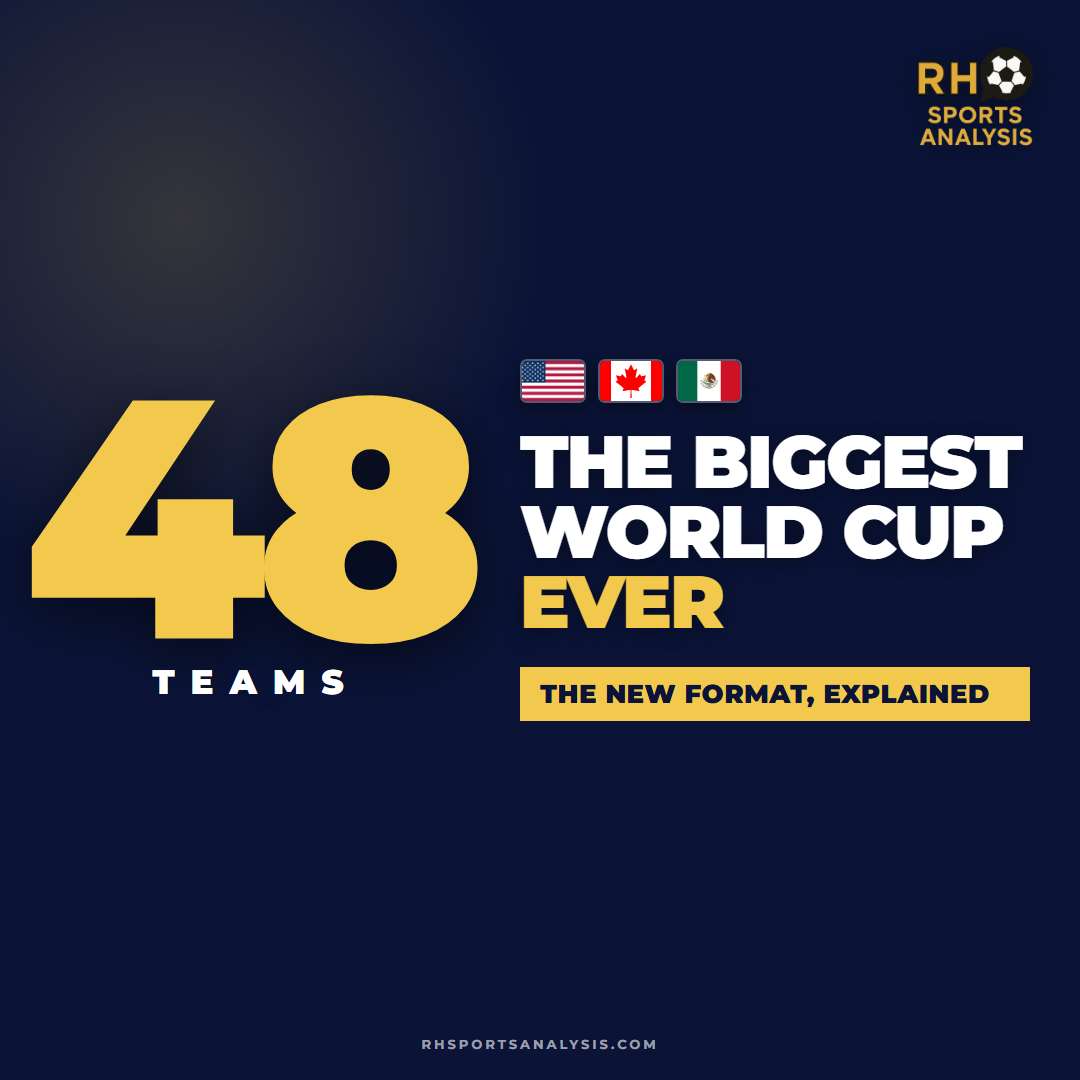
Finish third in your group and you might still go through, which is the strangest thing about the 2026 World Cup, and not a loophole but the format working exactly as designed. For the first time, third place in a group is not the end of the road, and understanding why unlocks almost everything else that has changed this summer.
16 more teams, and a tournament that looks nothing like Qatar
The World Cup has grown from 32 teams to 48, its first change in size since 1998, split into 12 groups of four rather than the old 8.
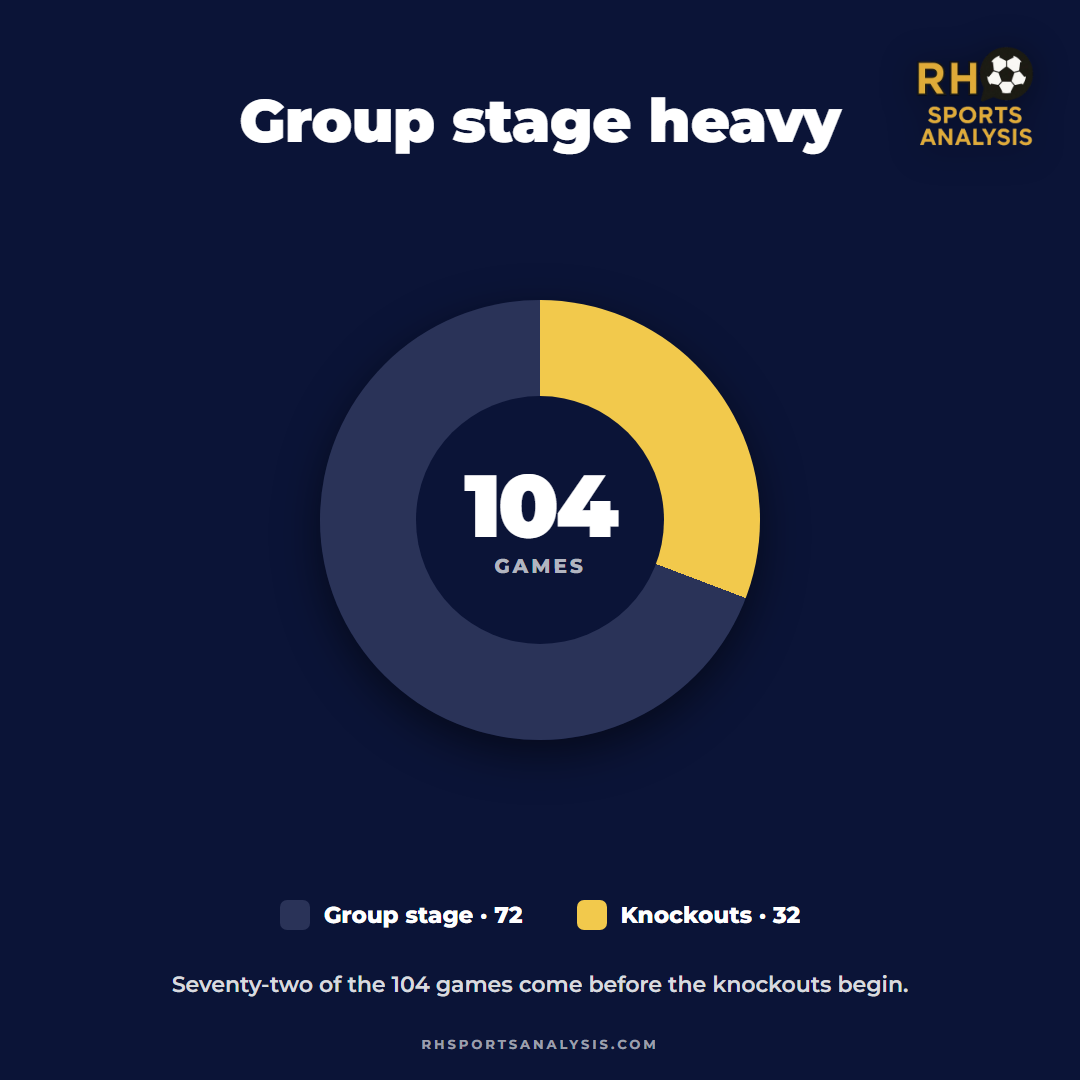
That pushes the tournament from 64 matches to 104, played across 39 days rather than the 29 days of Qatar 2022, and it stretches the whole thing over three host nations for the first time, with the United States, Canada and Mexico sharing 16 cities between them. The opening match is Mexico against South Africa at the Estadio Azteca on the 11th of June, and the final is at MetLife Stadium just outside New York on the 19th of July.
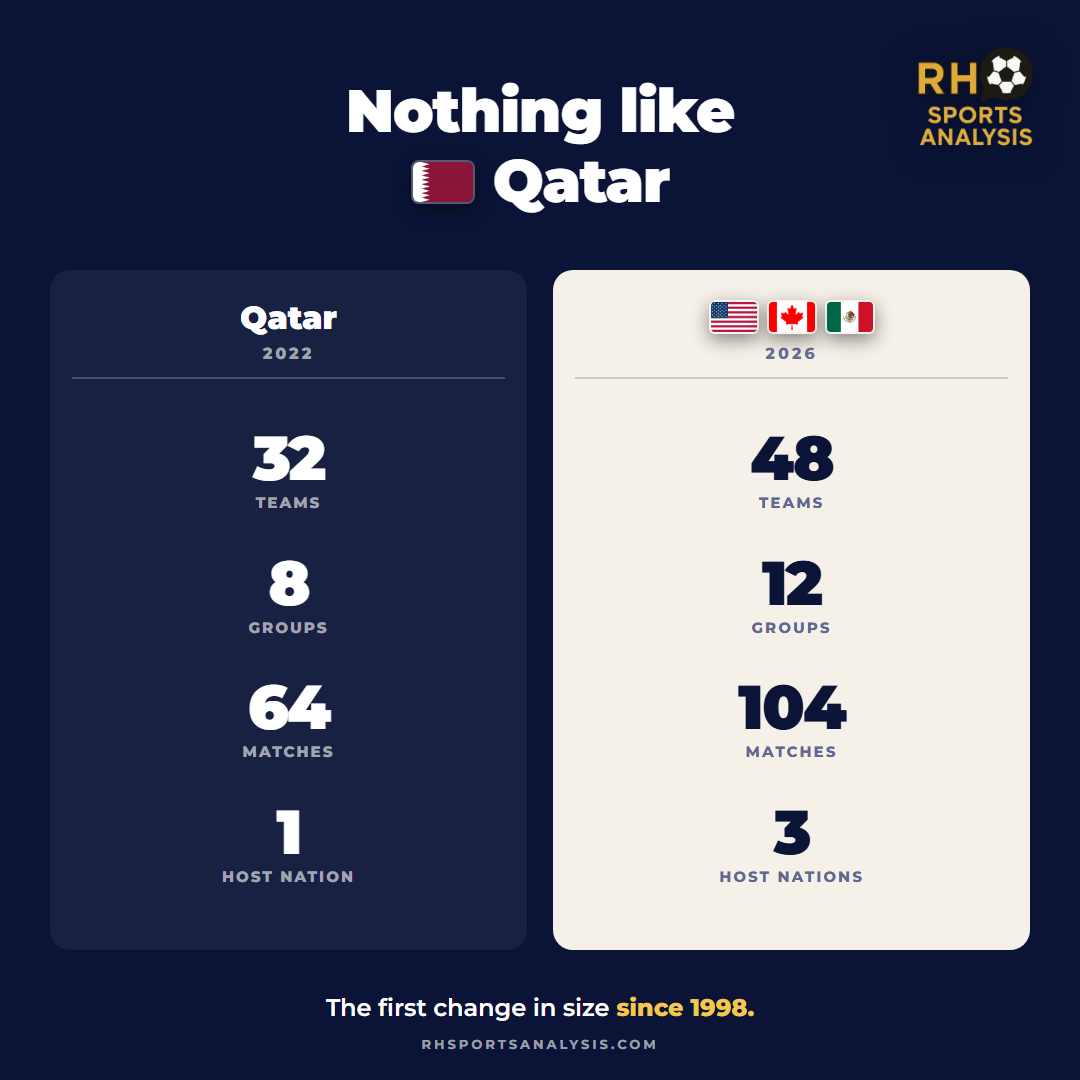
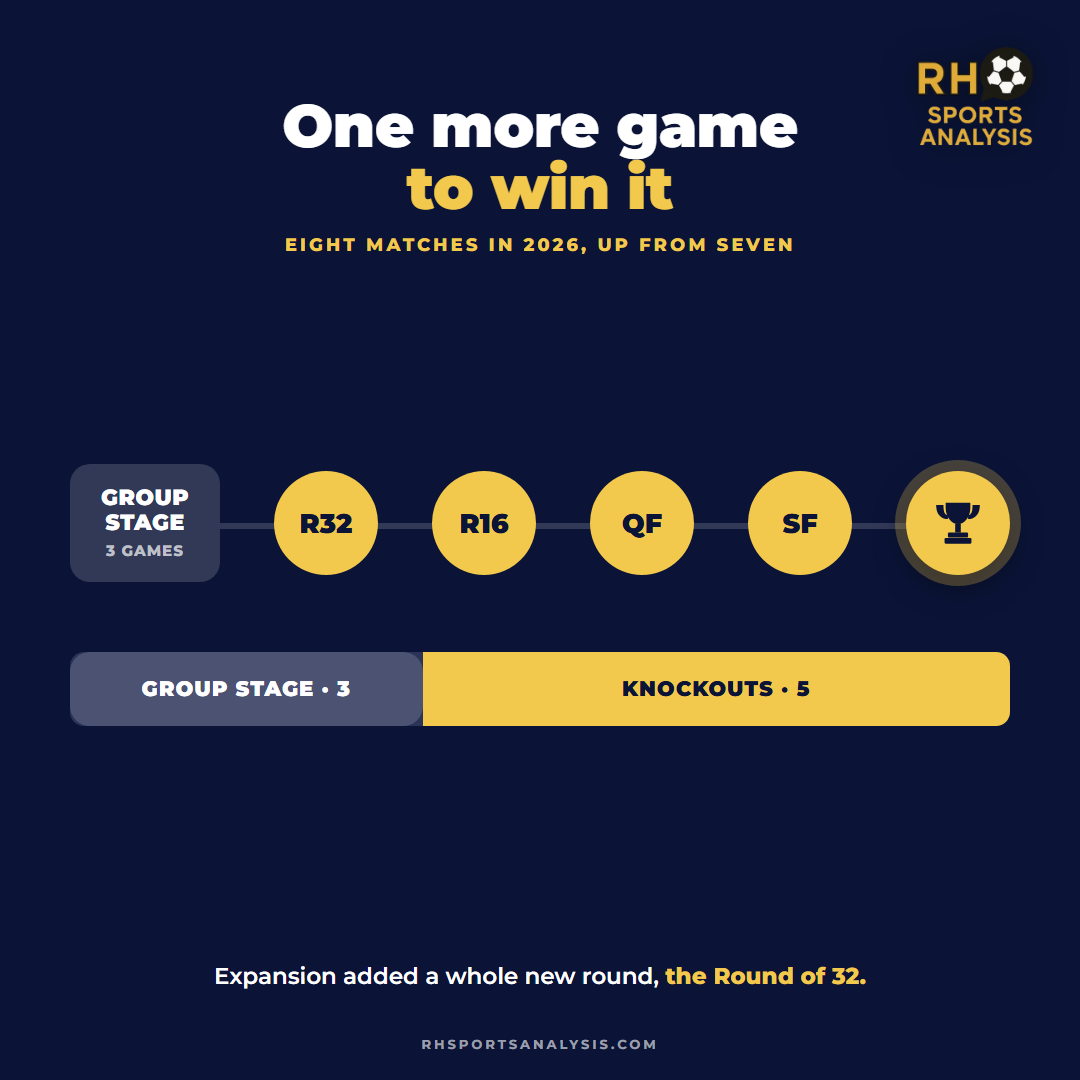
The knock-on effect reaches the teams who go all the way. A side that wins the 2026 World Cup will play eight matches rather than the traditional seven, because expansion has added an entirely new knockout round before the last 16. It is also the first World Cup at which all six of world football's regions are guaranteed a place, with Oceania handed an automatic spot for the first time rather than the playoff it always had to win before, and the first World Cup to bring 48 squads and more than 1,200 players to a single tournament.
Top two go through, and then the maths begins
Out of each group, the top two qualify automatically, the same as always, and that accounts for 24 teams. The remaining eight knockout places go to the best of the 12 sides that finish third, and this is where the format earns its confusing reputation.
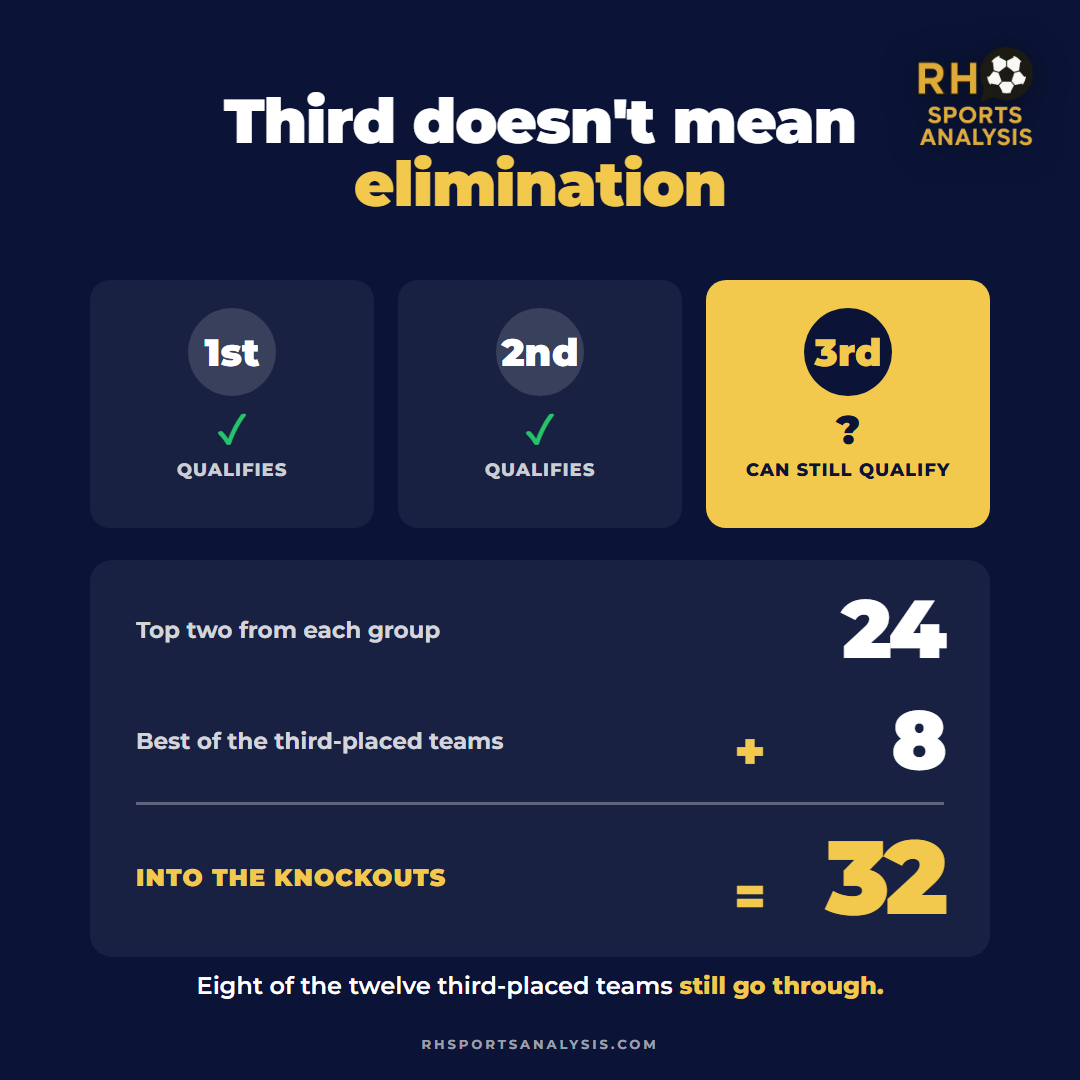
Those 12 third-placed teams are ranked against each other on one table: points first, then goal difference, then goals scored, and only if those are level does it fall to a conduct score based on cards, and finally each nation's place in the FIFA ranking. The best eight go through, the other four go home, and the cut can come down to a single yellow card from a game that finished days earlier.
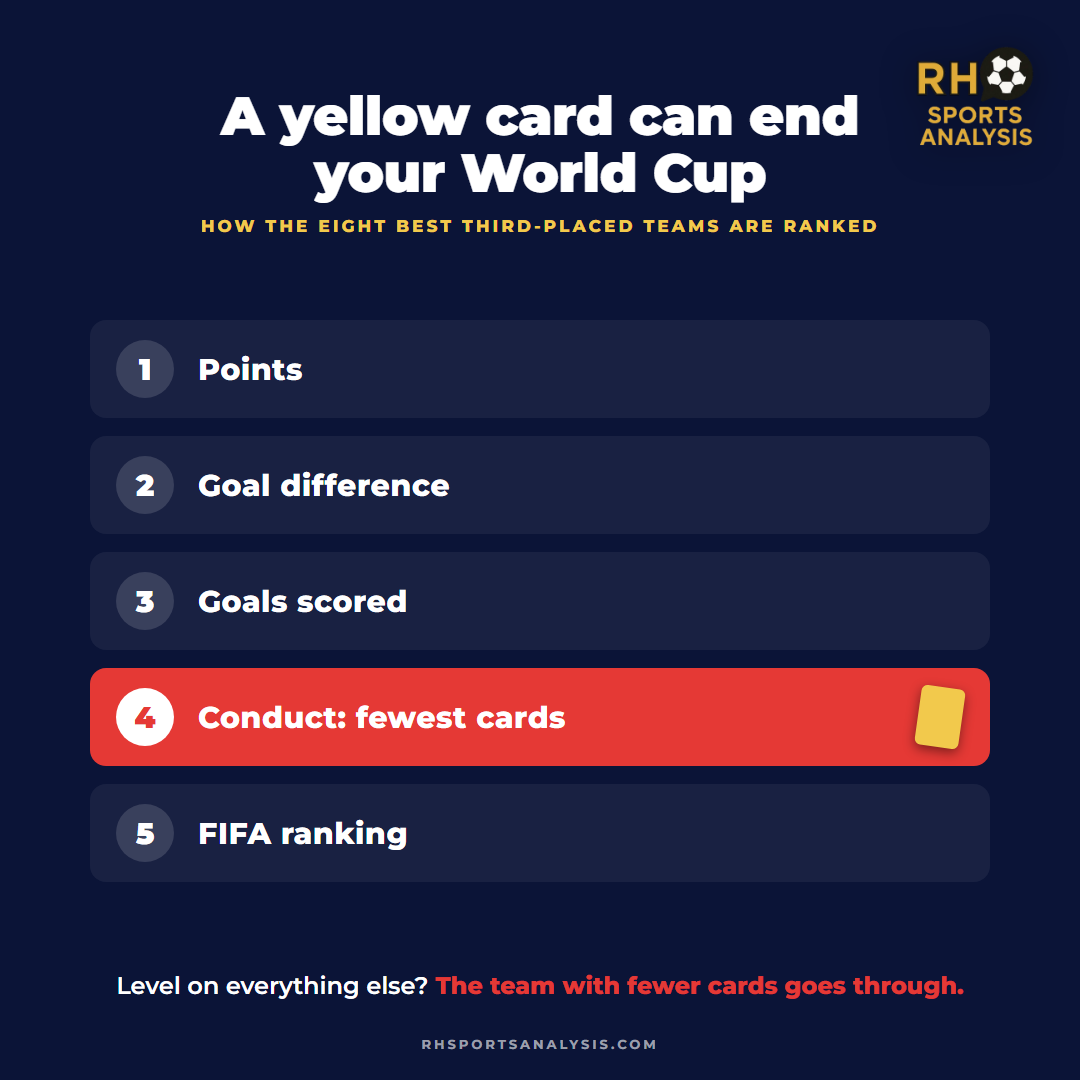
That last detail is sharper than it sounds. Discipline has quietly become a tie-break that can end a World Cup, because a team carrying fewer cards can edge out one that is level with it on everything else. Senegal went out of the 2018 World Cup on exactly that, level with Japan on points, goal difference and goals but they had two more yellow cards, the first team ever eliminated on the fair-play rule.
The only thing that changes inside a group sits right at the bottom of the order. If two teams are still level after all of that, FIFA used to separate them by drawing lots, literally pulling balls from a bowl, as it last did at Italia 90 to split the Netherlands and the Republic of Ireland after they finished level. Now the FIFA ranking settles it instead.
A round that has never been played before
The expansion created the Round of 32, a knockout round that has never been played at a World Cup until now. A total of 32 teams reach the first knockout stage, double the 16 who made it in every tournament since 1998, and from there the ladder runs through the last 16, the quarter-finals, the semi-finals and the final, with a third-place match the day before. Every tie is still single elimination, settled by 30 minutes of extra time and then penalties if nothing separates the two sides.
The draw was built to keep the strongest teams apart for as long as it could. When the team brackets were set in Washington in December, the top-ranked side, Spain, and the second-ranked, Argentina, were placed in opposite halves, and France and England were split the same way, so that none of the four can meet before the semi-finals and the top two cannot meet before the final.
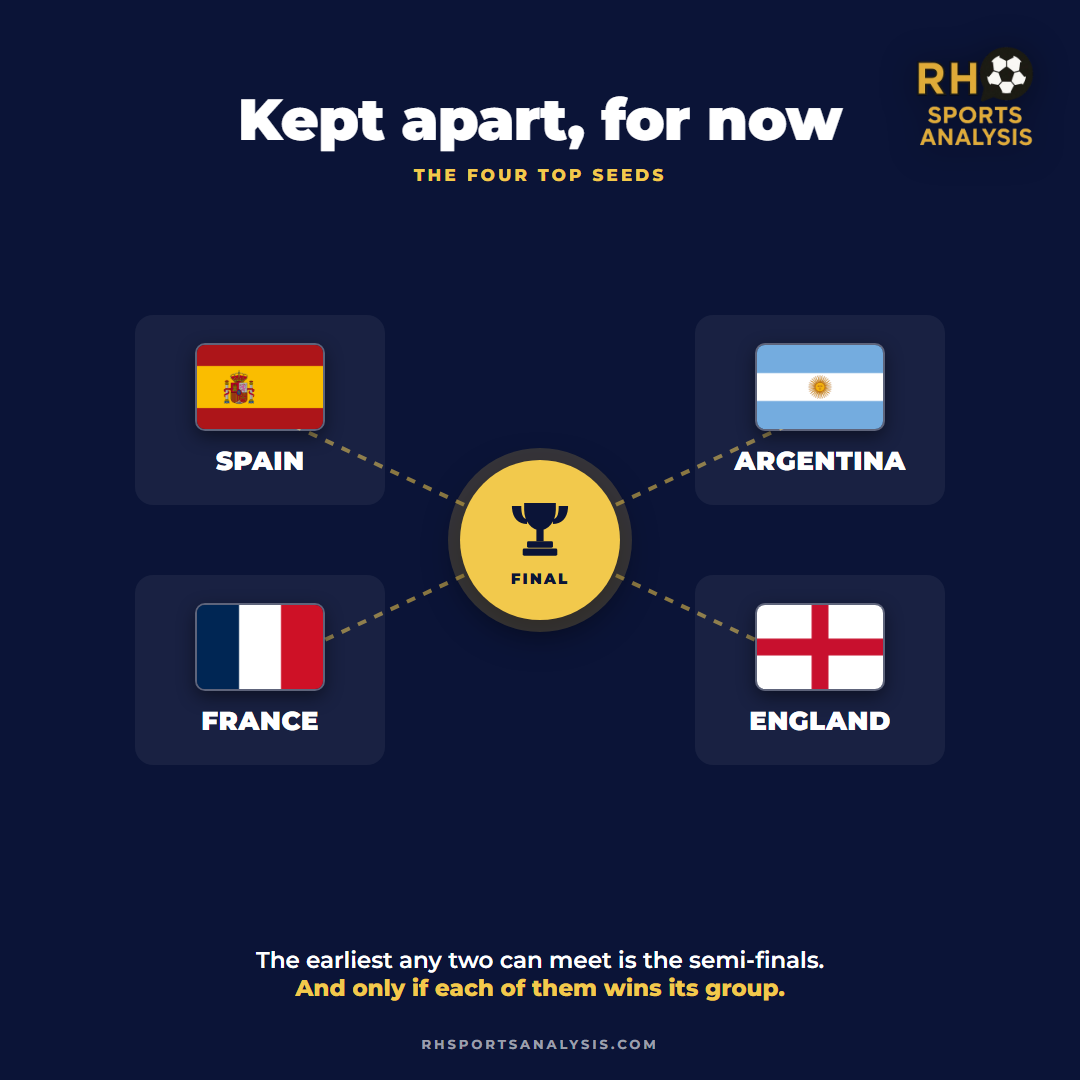
There is a catch that FIFA states openly: the guarantee only holds if each of them wins its group. Drop to second, and the careful separation can fall apart, with Spain and Argentina able to collide as early as the Round of 32.
One more wrinkle makes the new bracket genuinely hard to predict. Because the eight best third-placed teams can come from any mix of the 12 groups, the identity of each group winner's first knockout opponent is not fixed until the final round of group games is done. FIFA has pre-published every possible combination, all 495 of them, so there is no second draw and nothing is left to chance, but it does mean the bracket only takes its final shape when the group stage finishes on the 27th of June.
0
Possible bracket combinations FIFA has pre-published, so there is no second draw and the bracket only takes its final shape when the group stage finishes.
Is bigger actually better?
Whether bigger is better is the question that has trailed this format since the day it was approved. Even the groups of four were a compromise. FIFA's first plan was 16 groups of three, dropped once the danger became obvious that two teams could engineer a result to send both of them through, the ghost of West Germany's arranged 1-0 win over Austria that knocked Algeria out in 1982. The four-team groups closed that particular trapdoor, but they did not answer the larger objection.
That objection is about dilution. The writer Jonathan Wilson has warned that the long opening fortnight risks being background noise, putting it bluntly that “nobody is watching 90 out of 104 games,” and Clint Dempsey has made the same point from a player's side, that the tournament barely gets going until the Round of 32.
Then there is the toll on the players, who arrive already worn down by ever-longer club seasons. The PFA chief Maheta Molango has argued the calendar cannot keep stretching, that “we can't simply push them until they break,” and Jamie Carragher has been blunter, describing how the best players are treated “a little bit like cattle.”
The heat may be the most concrete worry of all. A Queen's University Belfast study led by the climate scientist Donal Mullan found that 14 of the 16 host stadiums could pass the threshold at which heat turns dangerous for players, and that the three o'clock final at MetLife carries roughly a one-in-three chance of extreme heat in a normal summer. The warning came at last year's Club World Cup, where Enzo Fernández called playing in those conditions “very dangerous” and Luis Enrique said it was simply impossible to perform for 90 minutes in them.
0
Host stadiums that could pass the threshold at which heat turns dangerous for players, according to a Queen's University Belfast study.
FIFA has answered with compulsory three-minute cooling breaks in each half and is shifting some kick-off times, and it has its defenders, with Arsène Wenger insisting “48 teams is the right number” and the governing body pointing out that every nation now gets three matches rather than a quick trip home.
The 2026 World Cup is really two tournaments wearing one name. There is the long, sprawling group stage that will reward patience and frustrate anyone wanting jeopardy from the first whistle, and there is the knockout monster it feeds, a 32-team bracket that makes the back half of the competition the largest sudden-death event ever staged at a major international tournament. Whether that trade is worth making is the argument that will run all summer. The shape of it, at least, is no longer in doubt, and you can now read the bracket as it fills.
FAQs
How does the 48-team 2026 World Cup format work?
The 48 teams split into 12 groups of four. The top two in each group qualify automatically, and the eight best third-placed teams join them, making 32 who reach the knockout stage.
Can a team that finishes third still qualify?
Yes. The eight best of the 12 third-placed teams go through to the new Round of 32, ranked on points, then goal difference, goals scored, a conduct score based on cards, and finally the FIFA ranking.
How many matches are at the 2026 World Cup?
104, up from 64 in Qatar, played across 39 days in the United States, Canada and Mexico. A team that wins the tournament plays eight matches rather than the traditional seven.
What is the Round of 32?
A new knockout round created by the expansion, played at a World Cup for the first time. 32 teams reach it, double the 16 who made the first knockout stage in every tournament since 1998.
When is the 2026 World Cup final?
The 19th of July at MetLife Stadium just outside New York. The tournament opens with Mexico against South Africa at the Estadio Azteca on the 11th of June.
Related reading
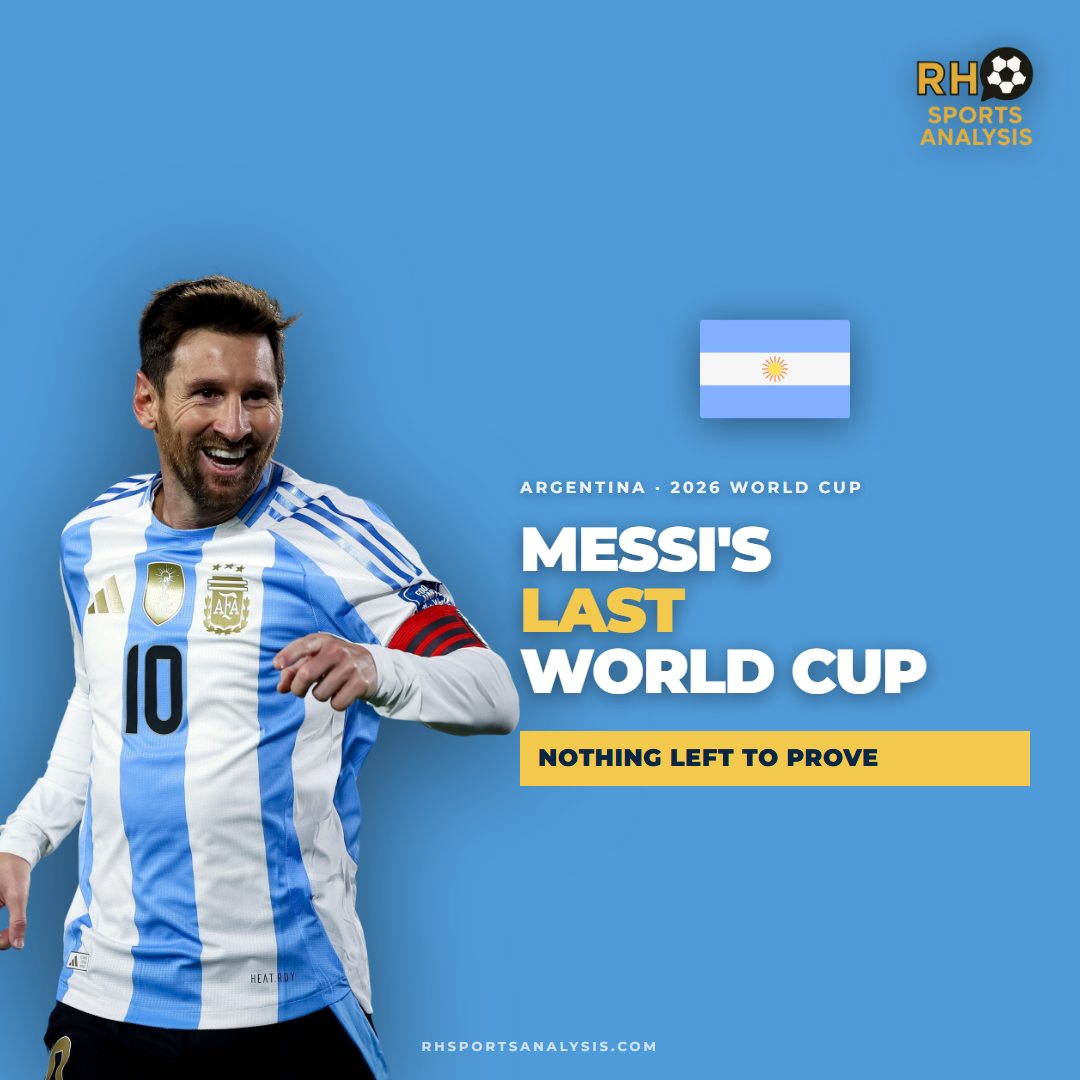
Messi's Last World Cup: Nothing Left to Prove
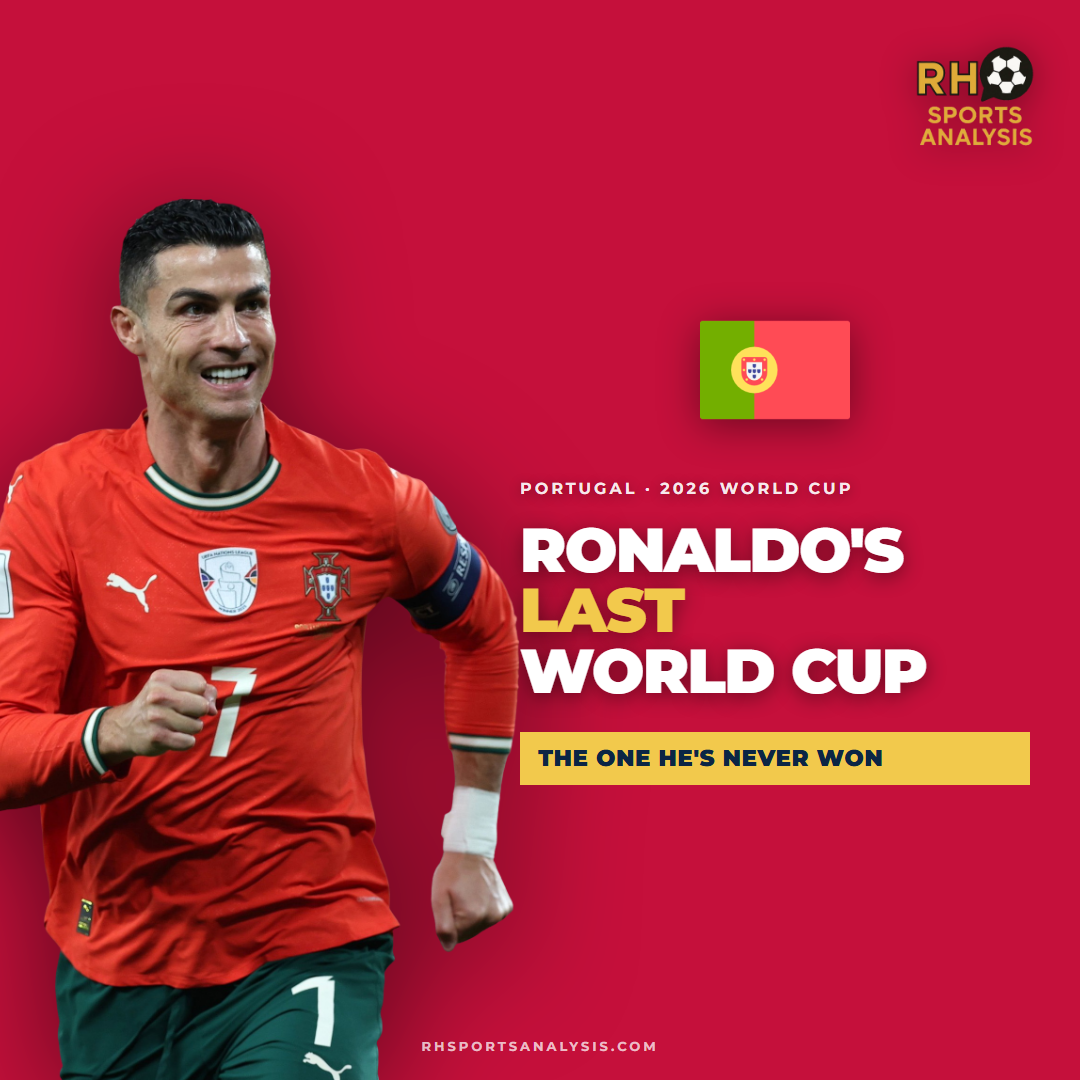
Ronaldo's Last World Cup: The One He's Never Won
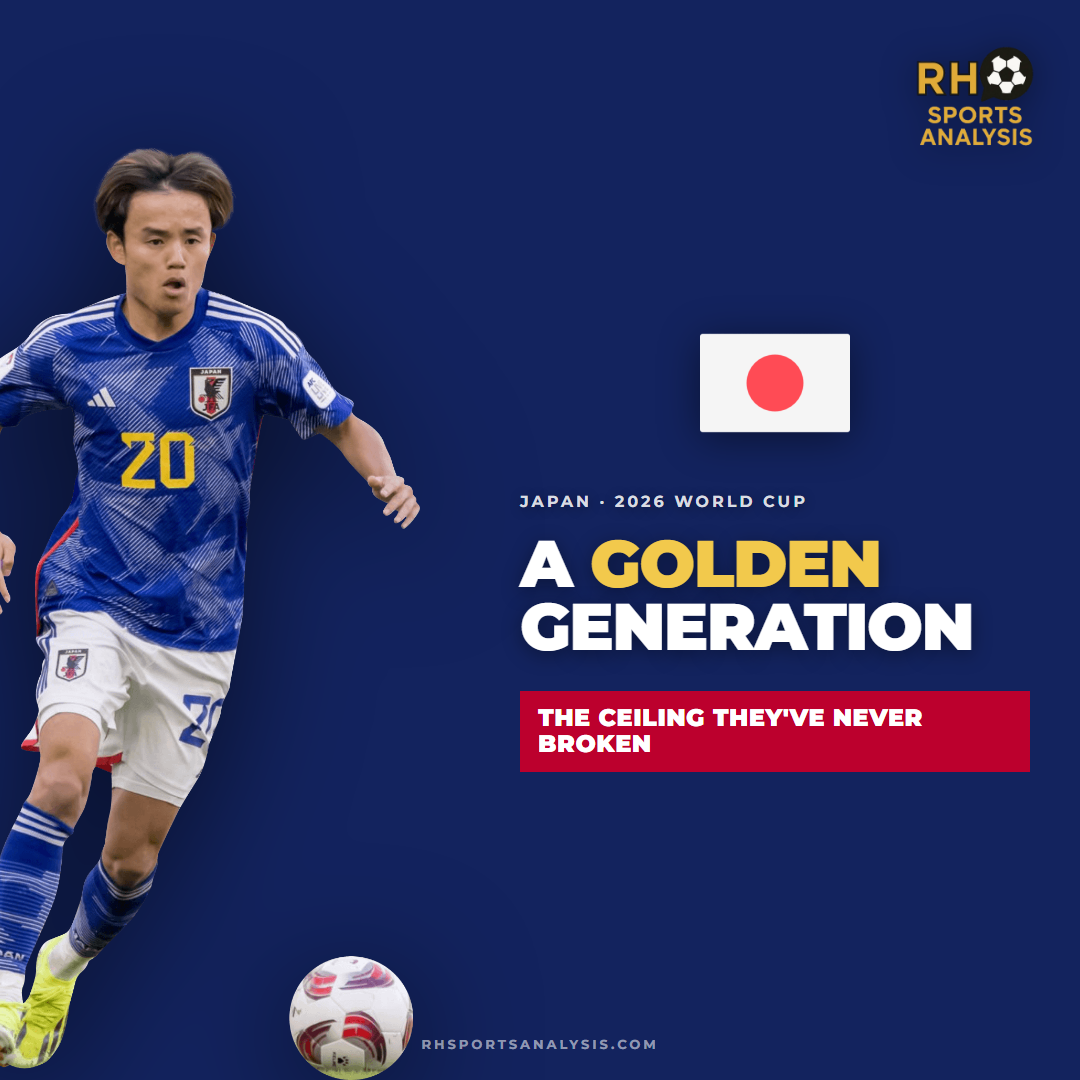
Japan at the 2026 World Cup: A Golden Generation and the Ceiling It Has Never Broken
Our members receive data-driven selections across every sport we cover. Are you in?