




Messi's Last World Cup: Nothing Left to Prove
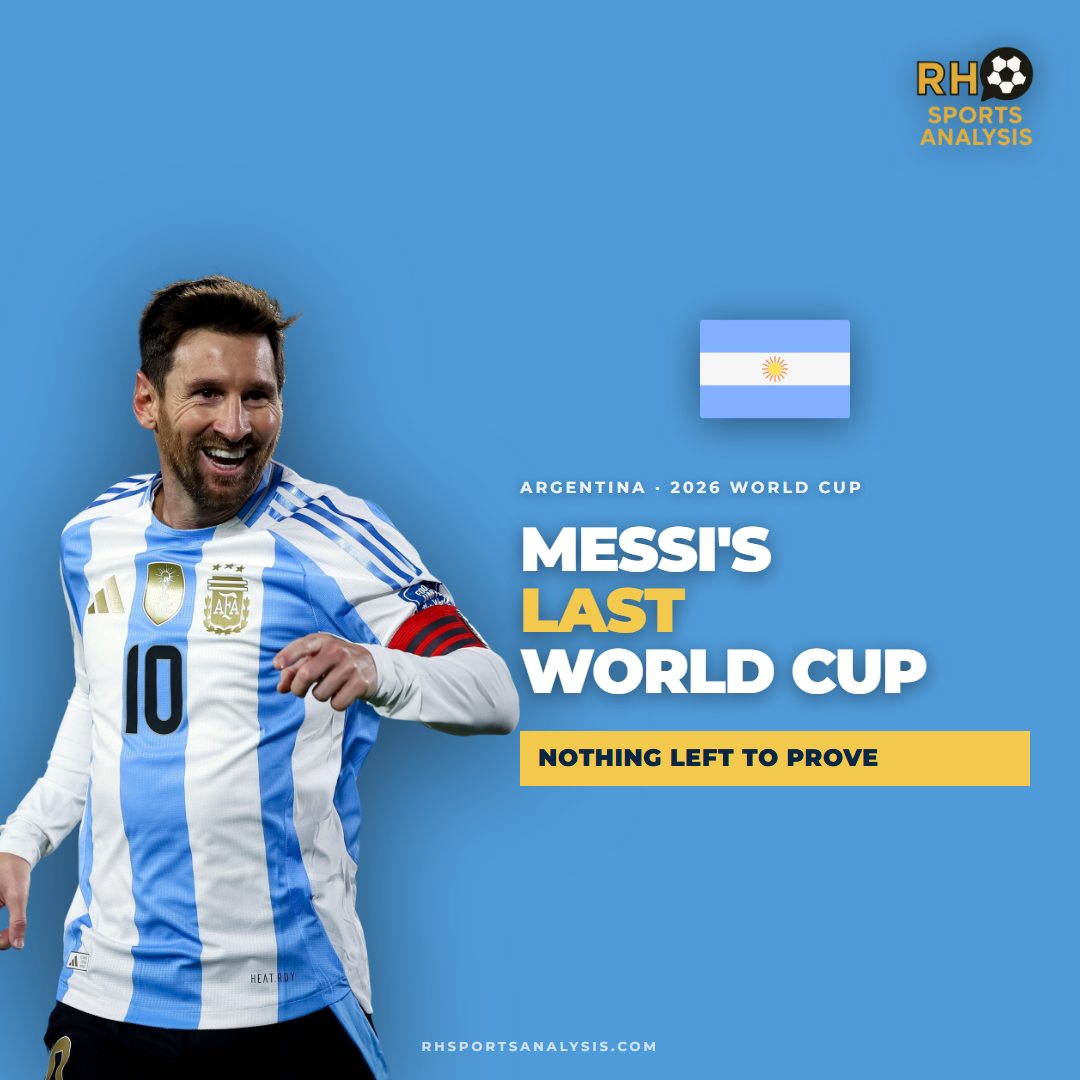
Lionel Messi turns 39 in the middle of this World Cup. The birthday falls on the 24th of June, somewhere between Argentina's group games in Kansas City and Texas, and it arrives with him in a position no player of his stature has occupied before: there is nothing left for him to win. The trophy that shadowed every previous summer of his career is already his, lifted in December 2022, and that one fact reshapes how his sixth and final World Cup should be read.
The argument ended in 2022
When Messi scored twice in the 2022 final and buried his penalty in the shootout against France, he did more than complete Argentina's first title in 36 years. He closed the only argument his career had left open. Eight Ballons d'Or and every Argentina record that matters, more caps and more goals than any player in the country's history, had still not silenced the one question that followed him, and in Qatar he answered it in the most emphatic way available.
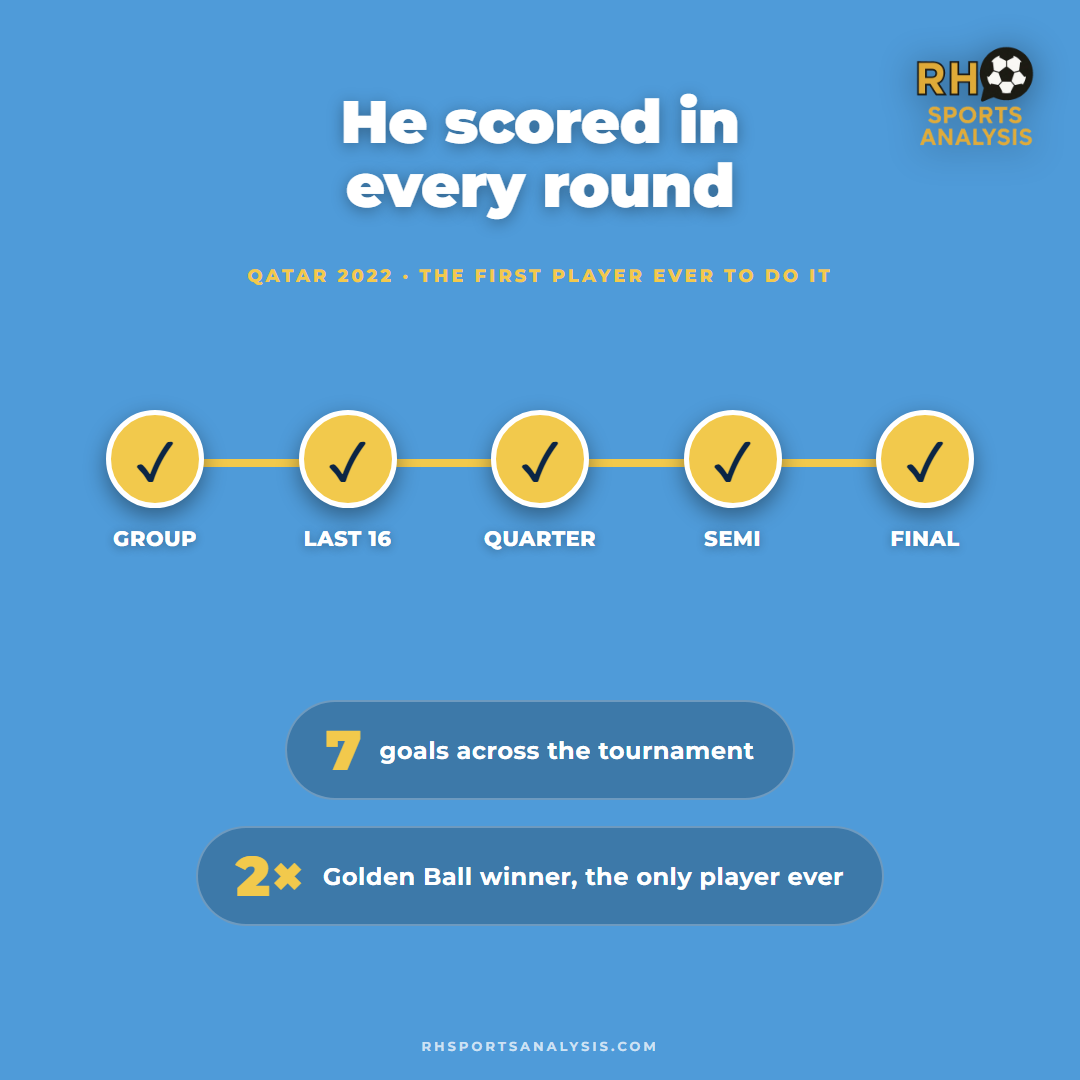
He scored seven times, in every round from the group stage to the final, the first player ever to do that, and became the only man to win the tournament's Golden Ball twice.
No one has played more World Cup football than Messi, with more matches, more minutes and more games as a captain than any man before him. For most of his career those numbers carried a quiet frustration, the sense of a player accumulating everything except the thing he wanted most. That frustration is gone. He returns in 2026 not to chase a legacy but as a footballer whose legacy was sealed three and a half years ago, which is a very different kind of player to send into a tournament.
29 goals, and the question the numbers can't answer
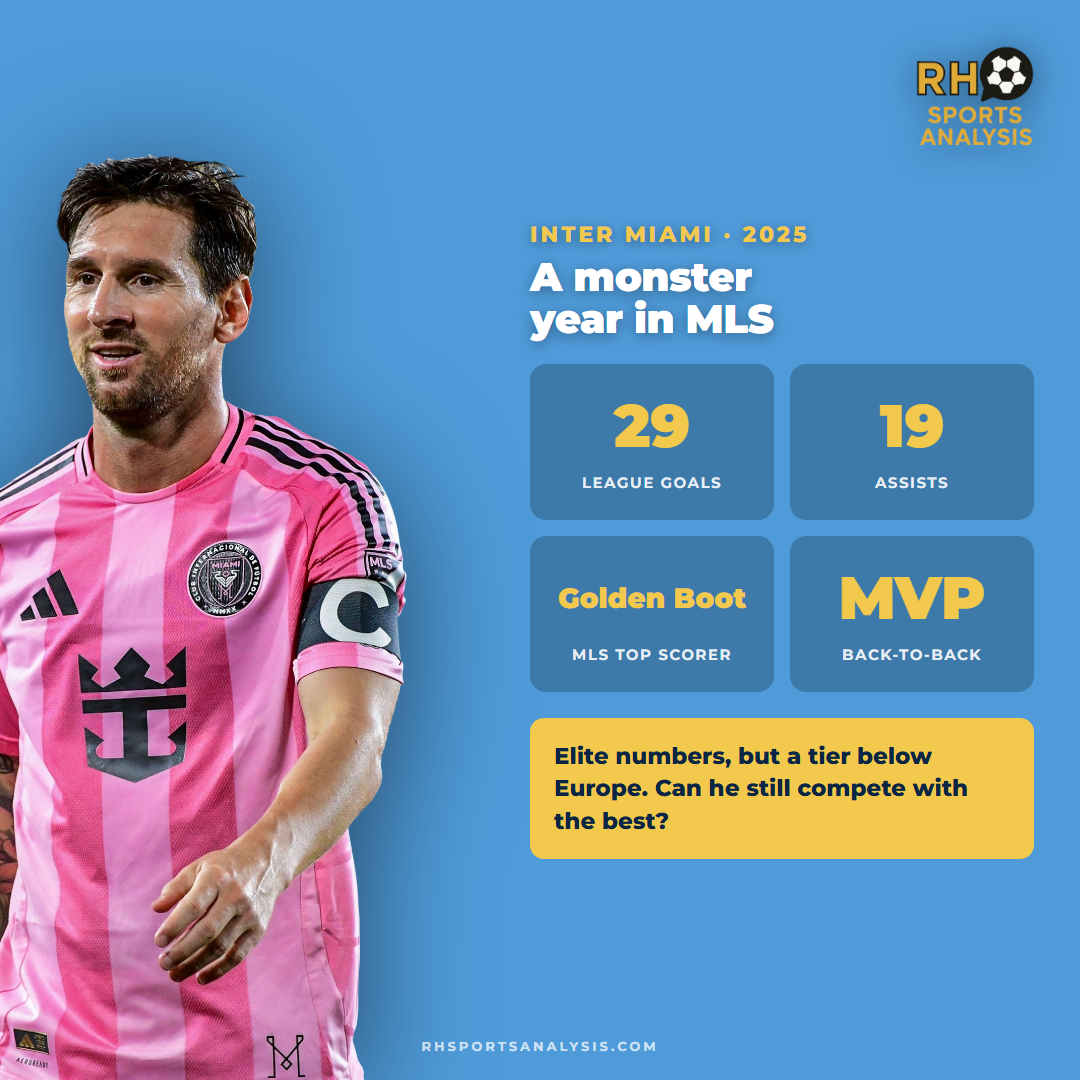
Messi won the 2025 MLS Golden Boot with 29 goals and 19 assists, leading the league in both, a club season that reads like a misprint. He dragged Inter Miami to the MLS Cup as the final's most valuable player and became the first back-to-back regular-season MVP in the league's history. He carried that form into 2026 with 12 goals in his first 14 games, and in March, in a Concacaf Champions Cup tie against Nashville, he reached the 900th goal of his professional career.
0
Career goals, reached in March 2026 in a Concacaf Champions Cup tie against Nashville.
The trouble is where those goals are being scored. Major League Soccer is not the Champions League, and the gap is the doubt running underneath his World Cup. Fernando Signorini, once Maradona's physical trainer, put it most bluntly, calling what Messi does now “a parody of football” and arguing he should be saving himself for the tournament rather than chasing records in Florida. Messi himself has described life in MLS as more relaxed, without the pressure of the European game, which is precisely the line his critics seize on.
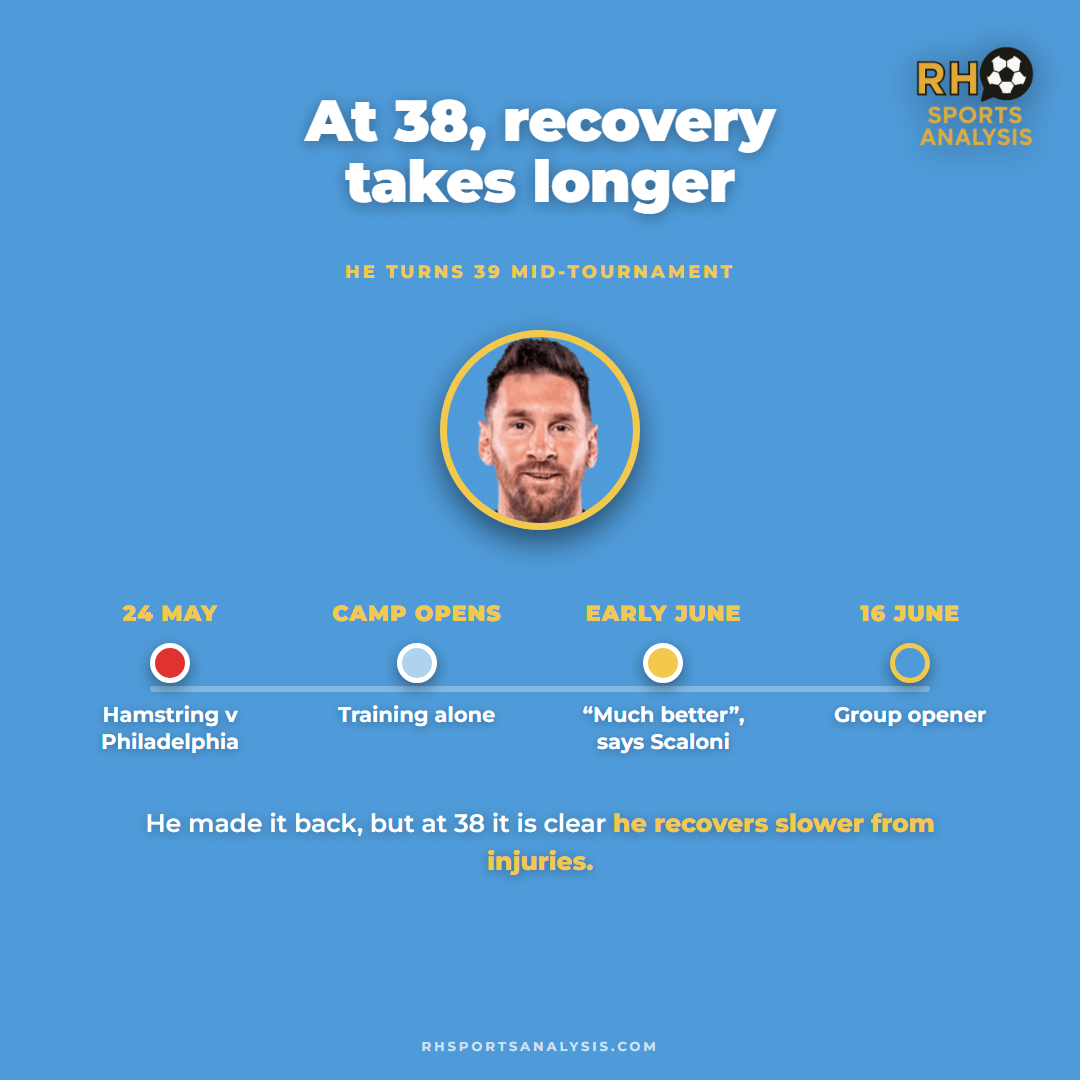
The counter-argument is that quality travels regardless of the postcode, and that a gentler league lets him be himself for longer stretches rather than flattering him. The harder worry is physical. On the 24th of May he grabbed his left hamstring and limped out of a match against Philadelphia, an overload from muscle fatigue that had him training alone when Argentina's camp opened. By early June Scaloni was calling him much better and back partly with the group, but the episode was a reminder that a deep tournament run asks far more of a 39-year-old body than it did at 25.
The team that learned to win without him
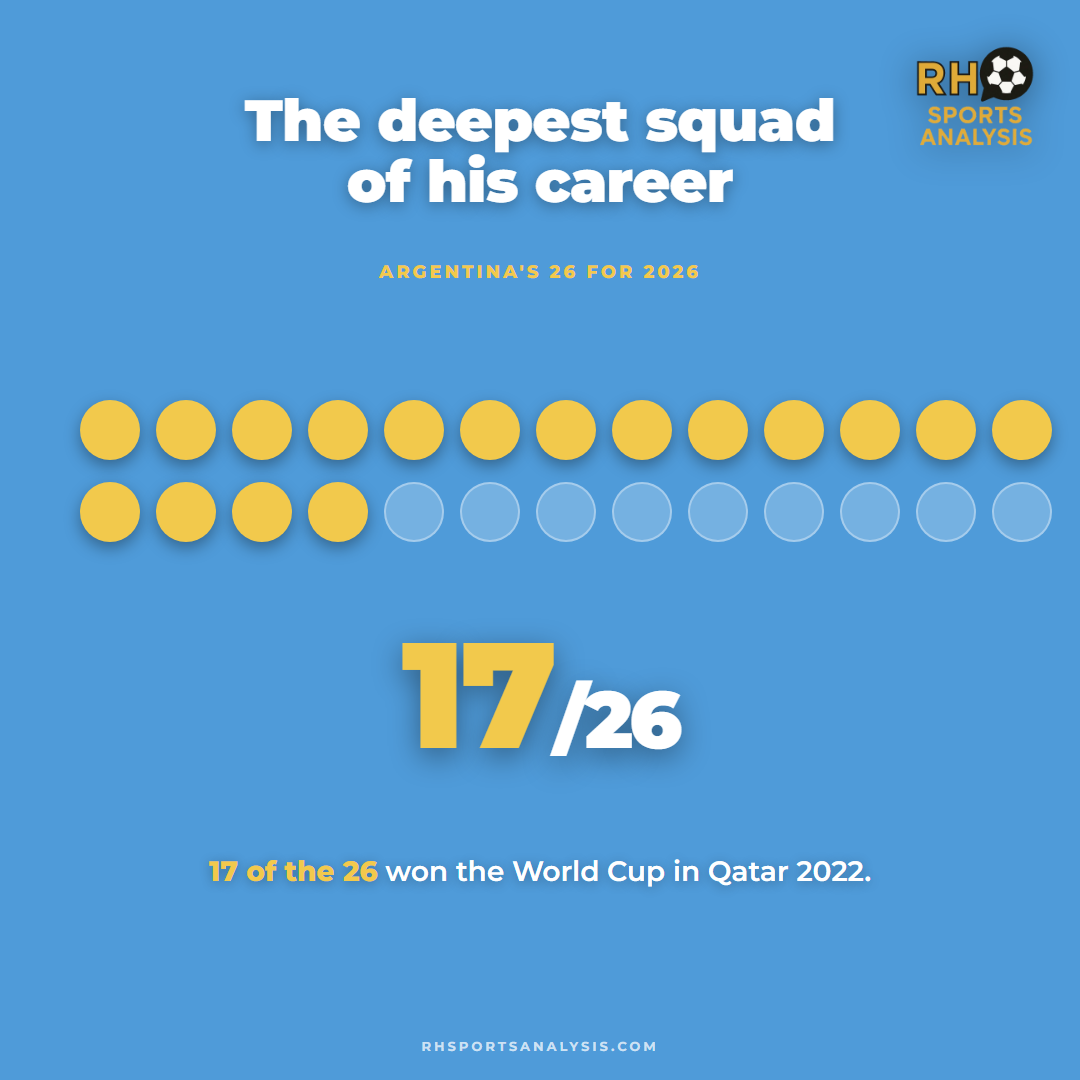
Argentina spent the qualifying campaign quietly proving they no longer depend on him. The night they sealed their place at the 2026 World Cup, a 4-1 thumping of Brazil in Buenos Aires, Messi was not even on the pitch, sidelined by an adductor problem while Julián Álvarez, Enzo Fernández, Alexis Mac Allister and Giuliano Simeone scored the goals. Scaloni benched him for a qualifier in Chile and rested him for another in Ecuador, and the team kept working. Of the 26 players he has taken to this tournament, 17 are world champions from Qatar, the deepest squad of Messi's international life.
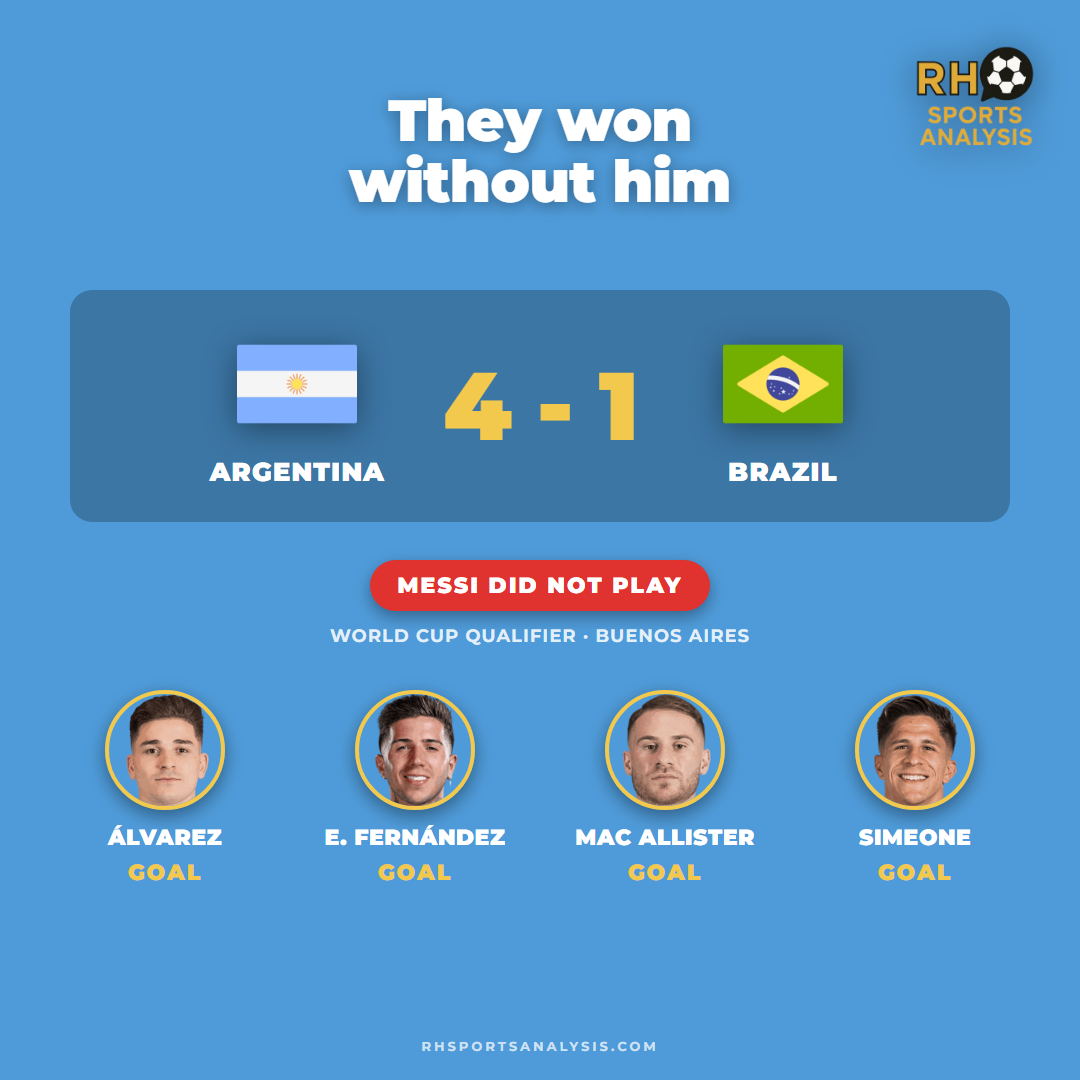
Scaloni has been careful about what that means. The line of play, he insists, stays the same whether Messi is on the pitch or not, and Argentina line up in a fluid 4-3-3 that becomes a 4-4-2 without the ball, a shape built to function with or without him.
Yet he is just as quick to call Messi a player who gives the team something even when he is short of full fitness, and Pablo Zabaleta, a former teammate, framed the truth neatly: this is not the Messi who once carried the ball from the halfway line, but a player still good enough to beat two or three men and settle a match.
Argentina do not need him to be their engine any more. They need him for the moments the engine cannot generate on its own.
No holder has managed this since 1962
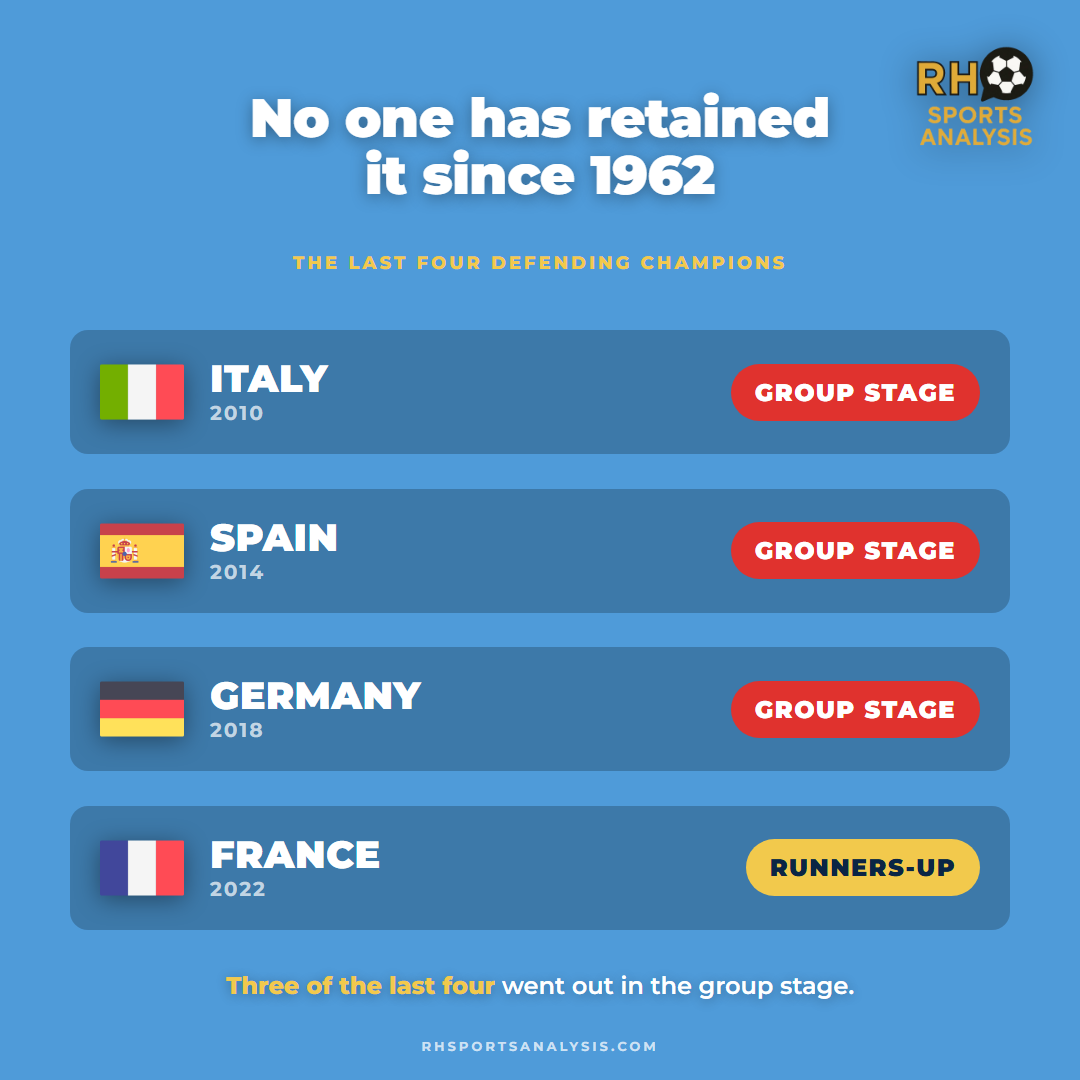
No nation has retained the men's World Cup since Brazil in 1962, and the recent record is grimmer than that alone suggests, with three of the last four defending champions falling at the group stage. A second pattern works against them too, because in the three decades since FIFA's ranking began, no team arriving at a World Cup as the world's number one has gone on to win it, and Argentina, third on the last official list, spent the build-up climbing back toward the top of it.
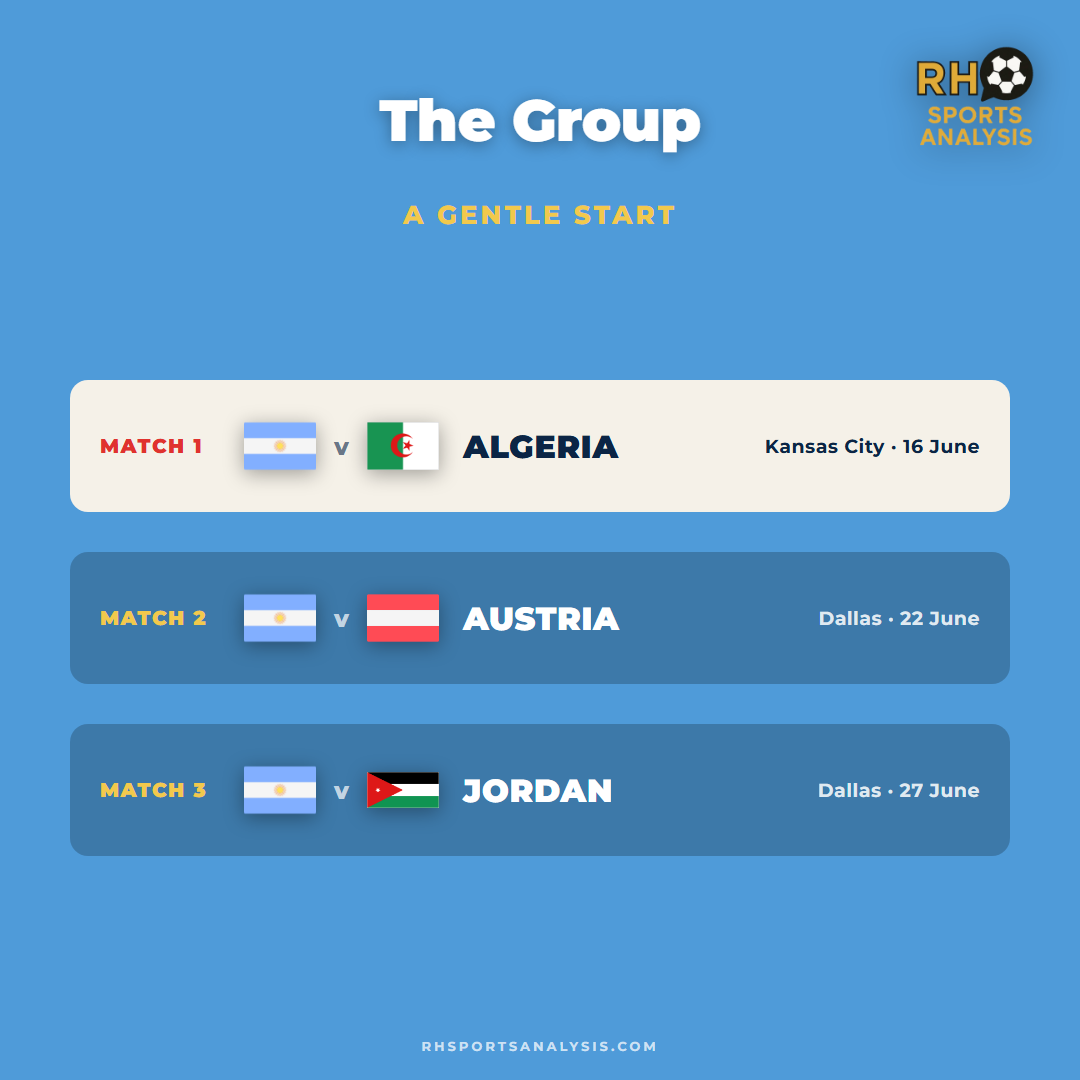
The draw, at least, is gentle. Argentina open against Algeria in Kansas City on the 16th of June, then face Austria and Jordan, a group comfortable enough to treat the first fortnight as a runway rather than a test.
The sides that have buckled as defending champions did so under the weight of expectation, the need to prove the first title was not an accident. Messi carries none of that pressure, nothing left to defend that is not already permanent.
What Argentina still need him for
The question that actually decides his tournament is not whether Messi can carry Argentina, because they have shown they can win without being carried. It is whether a 39-year-old body, sharpened in a league softer than the one waiting for him, can still produce three or four decisive moments across a month of knockout football. Argentina have the squad to reach the closing stages on their own. What they cannot manufacture without him is the pass or the goal that turns a tight quarter-final, and that, not the group stage, is where his last World Cup will be judged.
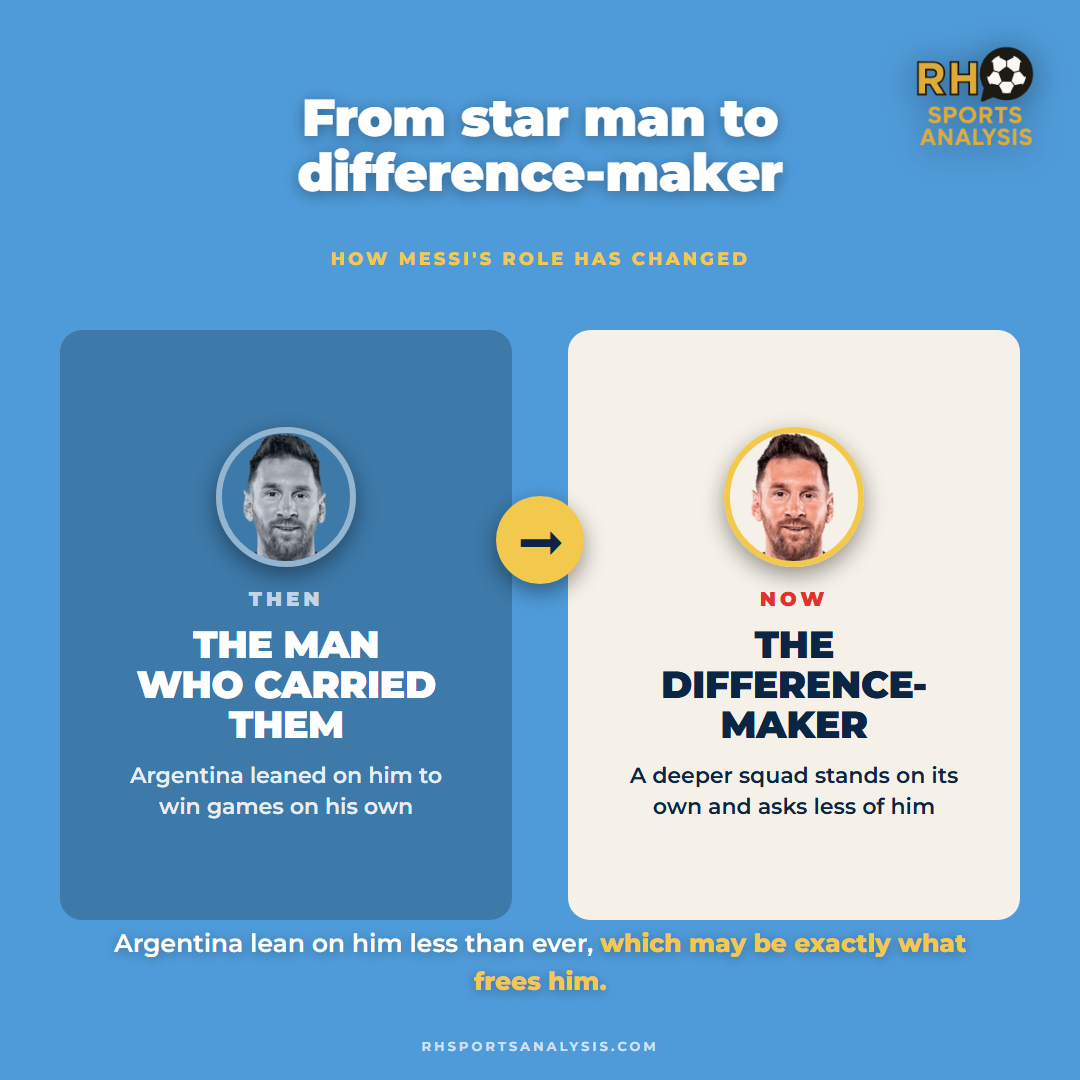
Scaloni said it without flinching, that Messi is more relaxed now because he has already won a World Cup, and a footballer playing without need is the hardest kind to plan against, with no fear to exploit and no pressure to crack. If Argentina do retain the trophy, it will not be because Messi had to drag them there. It will be because he chose to.
FAQs
Has Lionel Messi won the World Cup?
Yes. Messi won the 2022 World Cup with Argentina, scoring twice in the final against France and converting his penalty in the shootout. He scored seven times across the tournament, in every round from the group stage to the final, the first player to do so, and won a record second Golden Ball.
How old is Messi at the 2026 World Cup?
Messi turns 39 during the tournament, on the 24th of June 2026. It is his sixth and final World Cup.
How did Messi perform in MLS?
In 2025 he won the MLS Golden Boot with 29 goals and 19 assists, led the league in both, was named MLS Cup final MVP and became the league's first back-to-back regular-season MVP. He started 2026 with 12 goals in his first 14 games and reached his 900th career goal in March.
Can Argentina win the World Cup without relying on Messi?
They have shown they can, sealing qualification with a 4-1 win over Brazil while he was injured, and 17 of their 26-man squad are 2022 world champions. They need him not as their engine but for the decisive moments in knockout games.
Has any team retained the World Cup recently?
No nation has retained the men's World Cup since Brazil in 1962, and three of the last four defending champions went out in the group stage. No side ranked world number one at the start of a tournament has won it since FIFA's ranking began.
Related reading
Ronaldo's Last World Cup: The One He's Never Won
World Cup 2026: The 48-Team Format, Explained
Senegal at the 2026 World Cup: A Golden Generation's Last Shot, and a Title Taken Away
Our members receive data-driven selections across every sport we cover. Are you in?