




Senegal at the 2026 World Cup: A Golden Generation's Last Shot, and a Title Taken Away
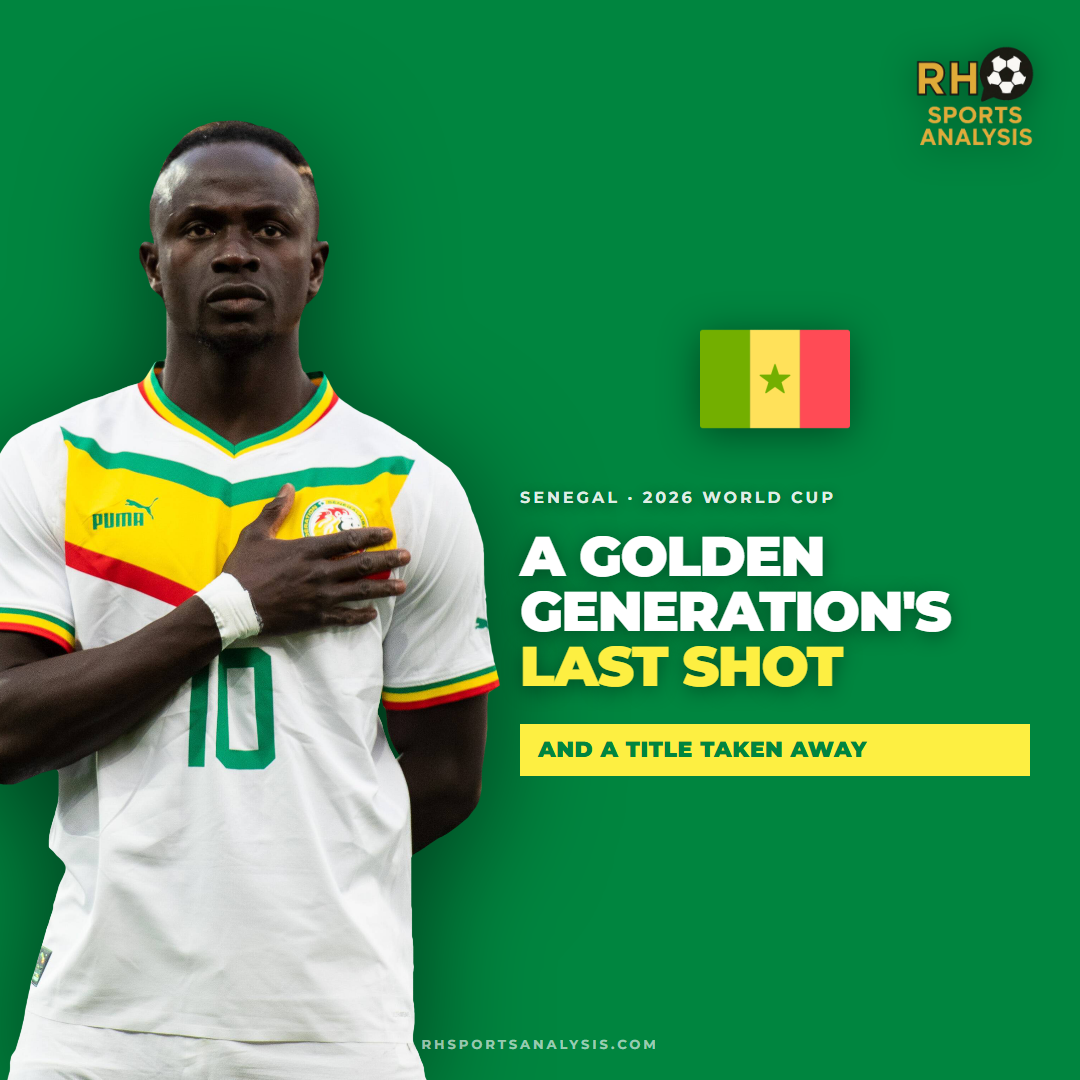
Senegal the fallen champion
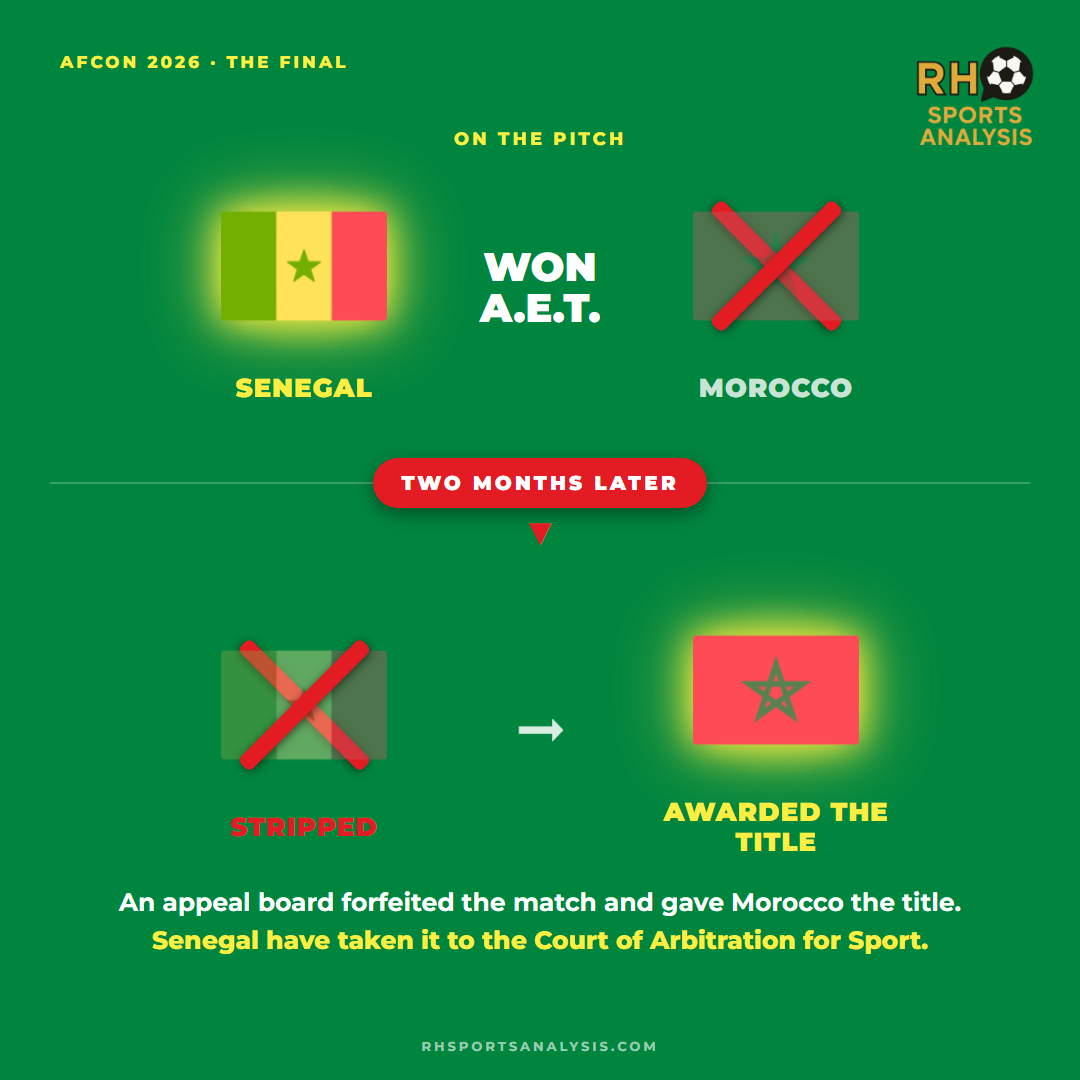
On the 18th of January 2026, Senegal won the final of the Africa Cup of Nations against Morocco, Pape Gueye settling it in extra time after Édouard Mendy had caught Brahim Díaz's chipped penalty in stoppage time. They lifted the trophy but they are not the champions. In the closing stages the players had briefly walked off the pitch in protest, and two months later the appeal board of the African confederation ruled it a forfeit, awarding the final to Morocco and stripping Senegal of the title they had won on the grass.
Senegal have taken the case to the Court of Arbitration for Sport, where it sits unresolved. It is the strangest possible run-up to a World Cup, and for a golden generation reaching the end of its road, it has handed them something a trophy could not: a reason to feel wronged.
Unbeaten through qualifying, unfulfilled at every World Cup since 2002
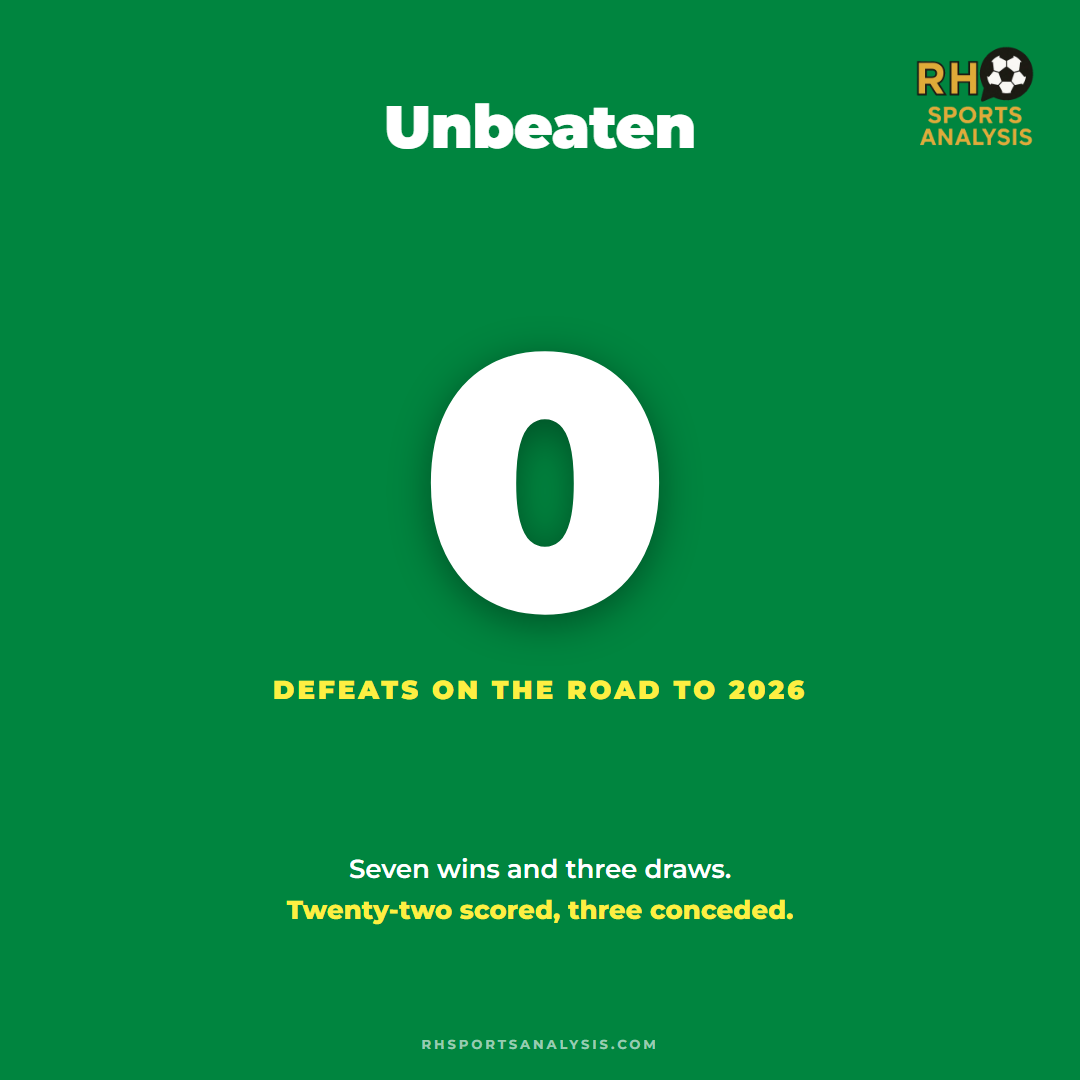
Senegal qualified for a fourth World Cup, and a third in a row, without losing a game. They won their African group with seven victories and three draws, scored 22 and conceded 3, finished two points clear of DR Congo, and sealed it in October with a 4-0 win over Mauritania in which Sadio Mané scored twice. Mané was the group's top scorer with five, the latest chapter in a Senegal career that has made him his country's all-time leading scorer.
The pedigree runs deeper than one campaign. This is the core that won Senegal's first ever Africa Cup of Nations, the title they lifted in early 2022, Mané striking the decisive penalty in the final. It traces back further still, to the side that announced the country to the world in 2002, stunning the reigning world champions France in the opening match and reaching the quarter-finals on debut, only the second African team ever to get that far. The talent has never been in question. What has been missing is a World Cup that matches it.
Thiaw wants the ball, and the United States showed what happens when Senegal don't get it
Pape Thiaw took the job in December 2024, a former Senegal striker from that 2002 squad, and within 13 months had led the team to the Cup of Nations final. His Senegal play a 4-3-3 that shifts into a back three in possession, and the identity is unmistakable: they want the ball.
At the Cup of Nations they completed more passes than any other side and had more shots on target than anyone, the output of a team built to keep the ball and keep coming forward, exactly as Thiaw wants it: the instant they lose possession, they win it straight back. When it works, as it did across that tournament, Senegal suffocate teams and concede almost nothing, two goals in seven matches, with Mendy a wall behind a settled back line.
The warning came in their final tune-up. The United States pressed them hard in Charlotte at the end of May and Senegal could not get going, losing 3-2 in a game Thiaw summed up bluntly. His side was “a team that likes to have the ball,” he said, and the United States had kept it away from them. Both their goals came from breaking on American mistakes rather than the patient control they prefer, a reminder that the possession game depends on opponents agreeing to let them play it.
There is an off-pitch complication too. Thiaw's contract expired in February and, by late May, he was working unpaid and unsettled, the federation insisting talks were ongoing. A manager walking into a World Cup without a signed deal is not the backdrop any side would choose.
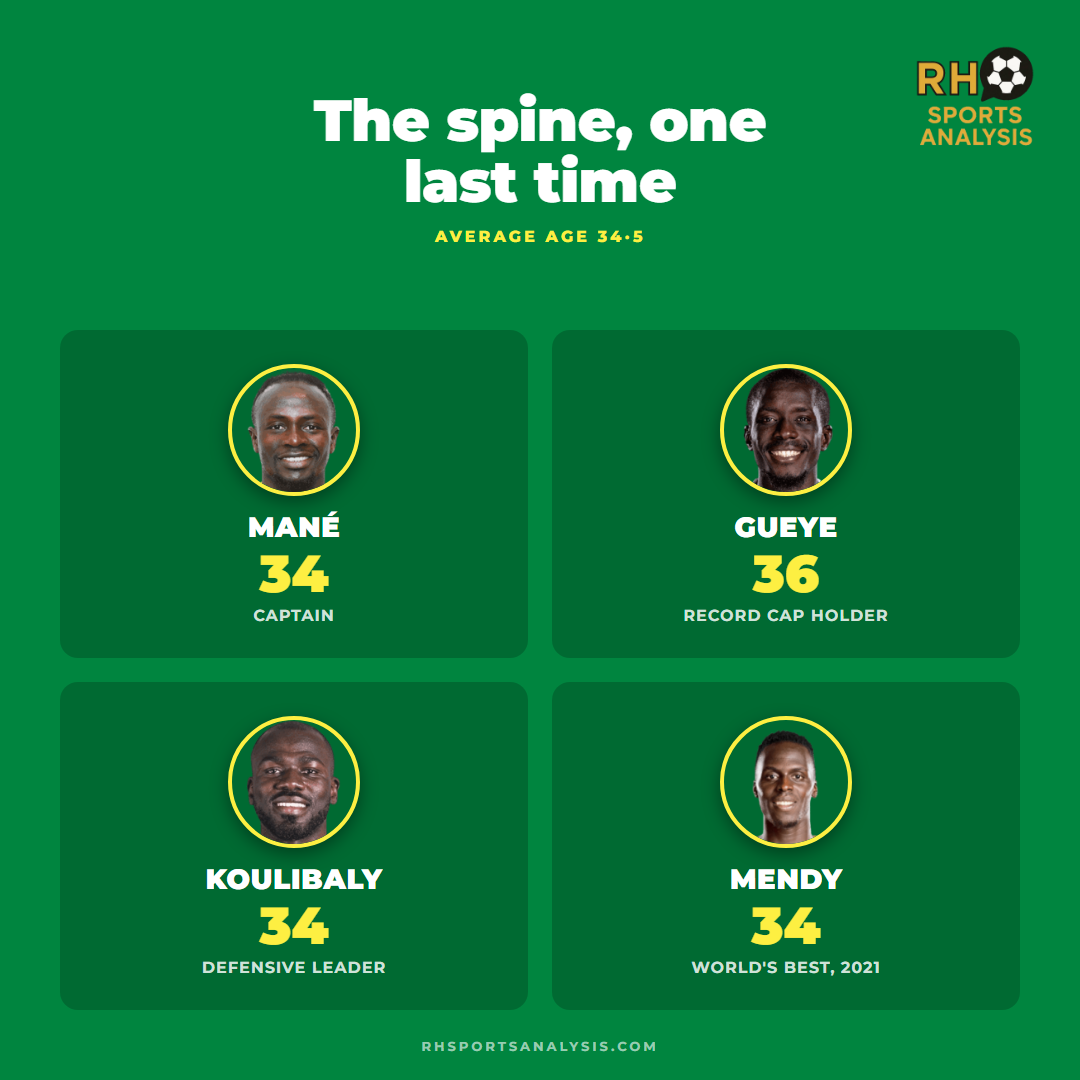
Mané has said it's his last World Cup, and he is not the only one running out of them
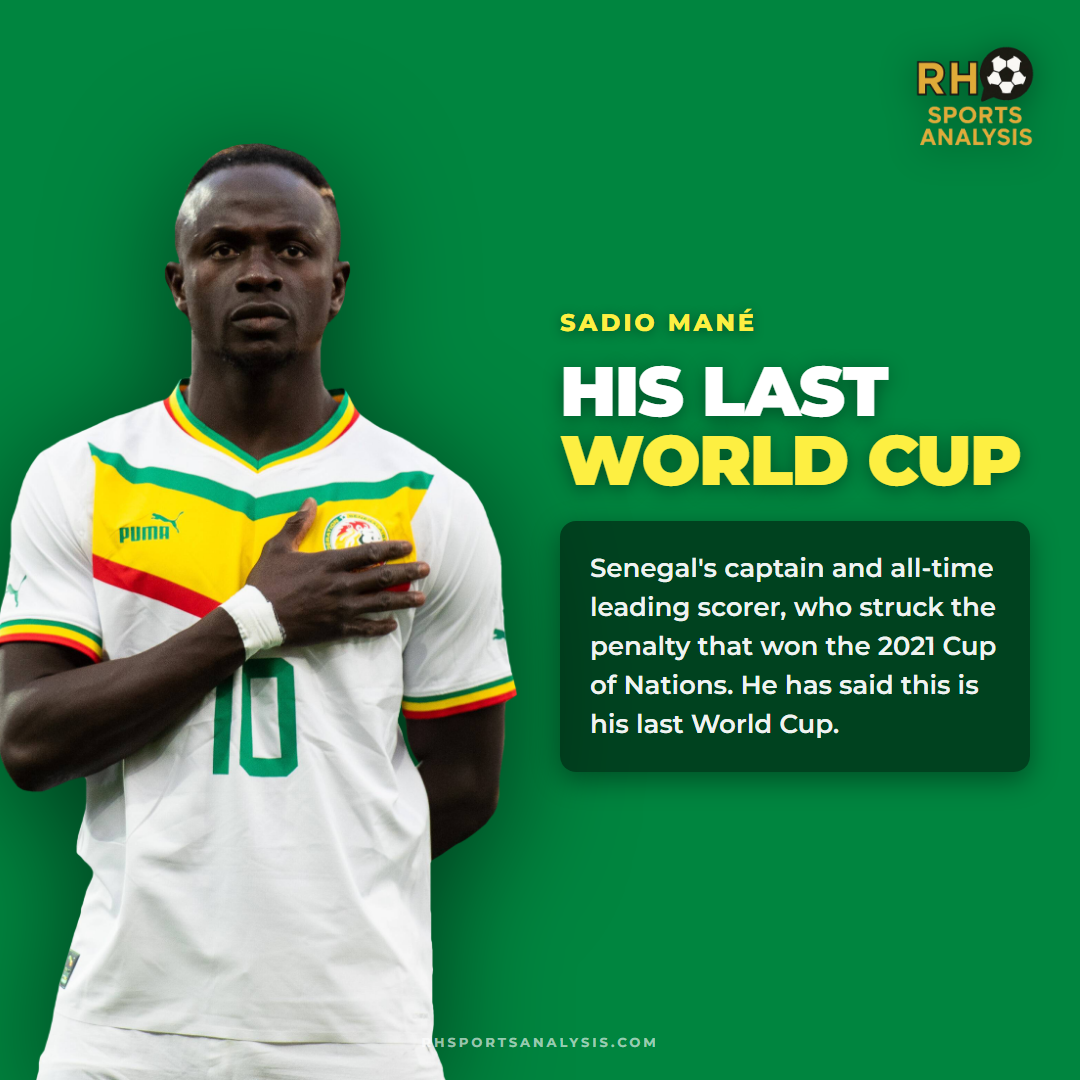
The 34-year-old captain struck the winning penalty in the 2021 final and was named the best player at both of Senegal's recent Cup of Nations campaigns, and at Al-Nassr he scored 10 goals and made 6 assists in the league this season. He is the face of the team, but he is not the only one on the clock.
Idrissa Gueye, the record cap holder and the first Senegalese man to 100 caps, is 36 and still anchoring the midfield. Kalidou Koulibaly, the centre-back who has marshalled the defence for a decade, is 34. Édouard Mendy, named the world's best goalkeeper in 2021, is also 34. The spine that has carried Senegal for a decade is taking it to one more World Cup together.
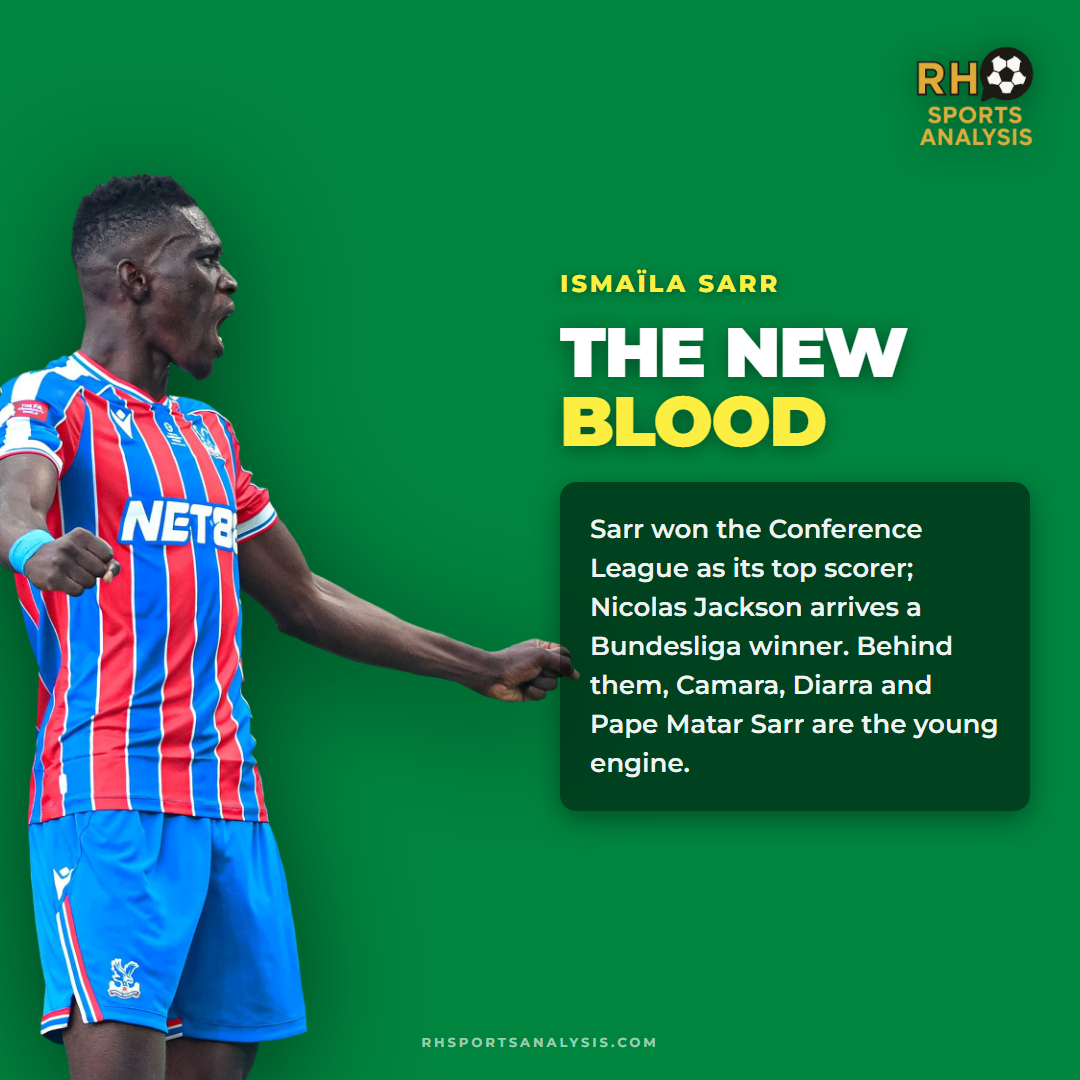
There is quality and youth around them. Ismaïla Sarr arrives in form, having won the Conference League with Crystal Palace as its top scorer and best player, and Nicolas Jackson goes as a Bundesliga winner after his loan season at Bayern Munich. Behind the veterans a younger engine is already running, Lamine Camara at Monaco, Habib Diarra at Sunderland and Pape Matar Sarr at Tottenham, all in their early twenties, the bridge to whatever Senegal becomes once this group breaks up.
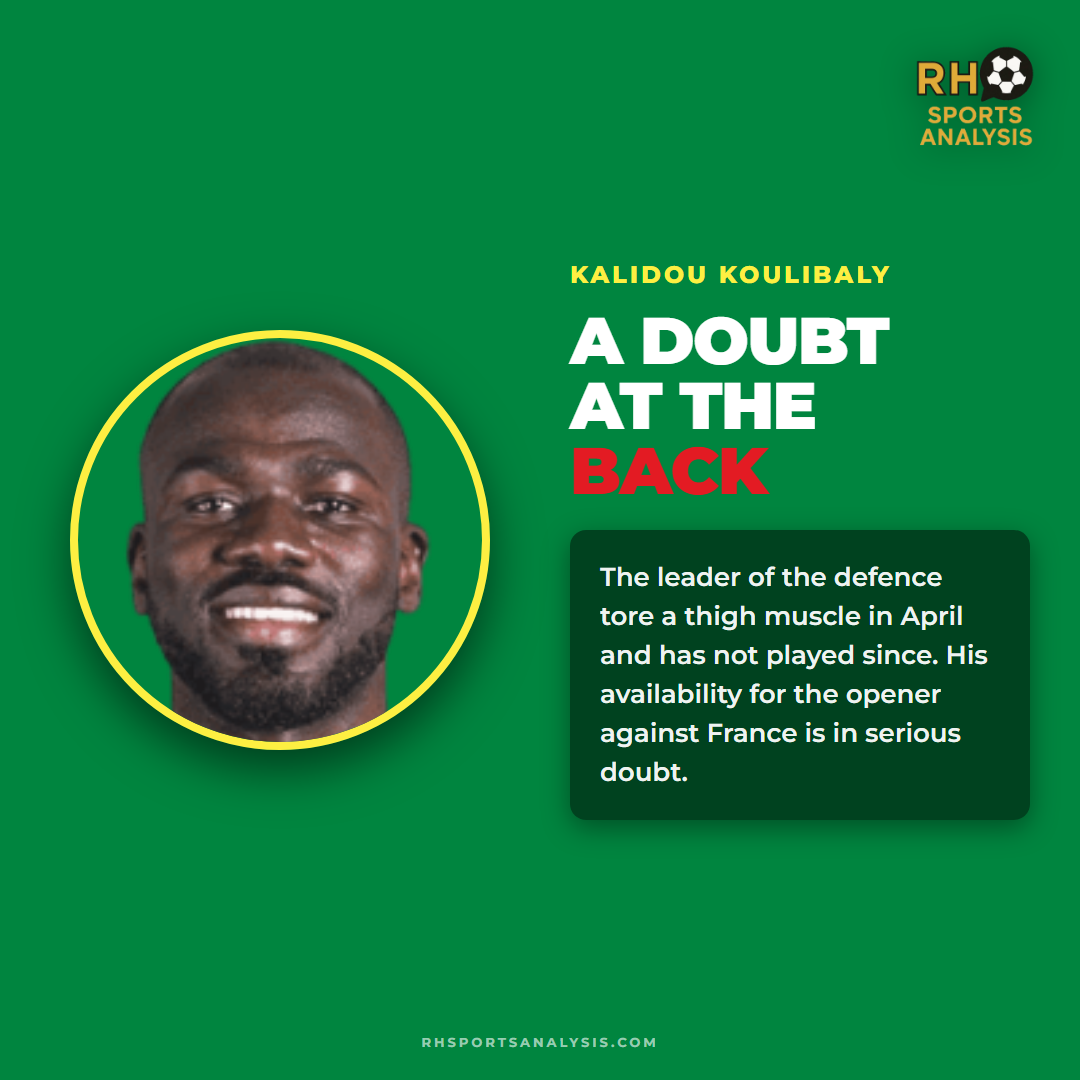
The immediate worry is at the back. Koulibaly has not played since a thigh tear in Al-Hilal training in early April, missed the United States friendly, is expected to miss the warm-up against Saudi Arabia, and his availability for the opener against France is, as it stands, in serious doubt. Losing the leader of the defence for the biggest game of the group would be the worst possible start.
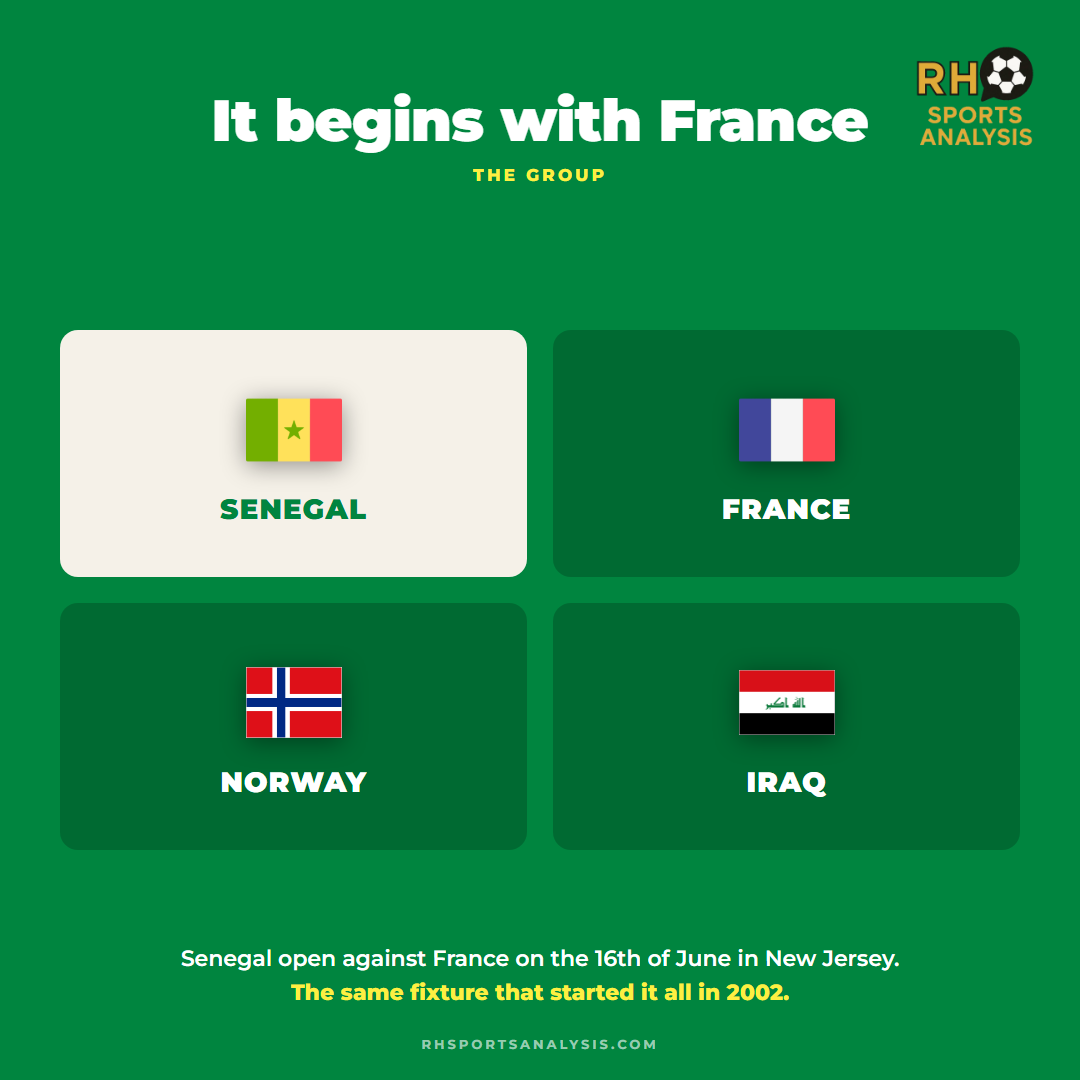
It begins against France, exactly as it did in 2002. The last 16 is where Senegal keep stopping.
The draw served up a story. Senegal open against France on the 16th of June in New Jersey, before facing Norway at the same ground and finishing against Iraq. Take something off the French and the group opens up, with Norway and Iraq the kind of opponents a side of Senegal's quality should be handling.
The harder truth is what comes after the group. For all the quality of the last decade, Senegal have not won a knockout match at a World Cup since that run to the quarter-finals in 2002. In 2018 they went out at the group stage on the fair-play rule, the first team in history eliminated by yellow cards, and in 2022 they reached the last 16 and were taken apart 3-0 by England. A group with France in it is navigable, a last-16 place is well within them, and the question that has trailed this generation everywhere is whether it can win the one match in the bracket that turns promise into a real run.
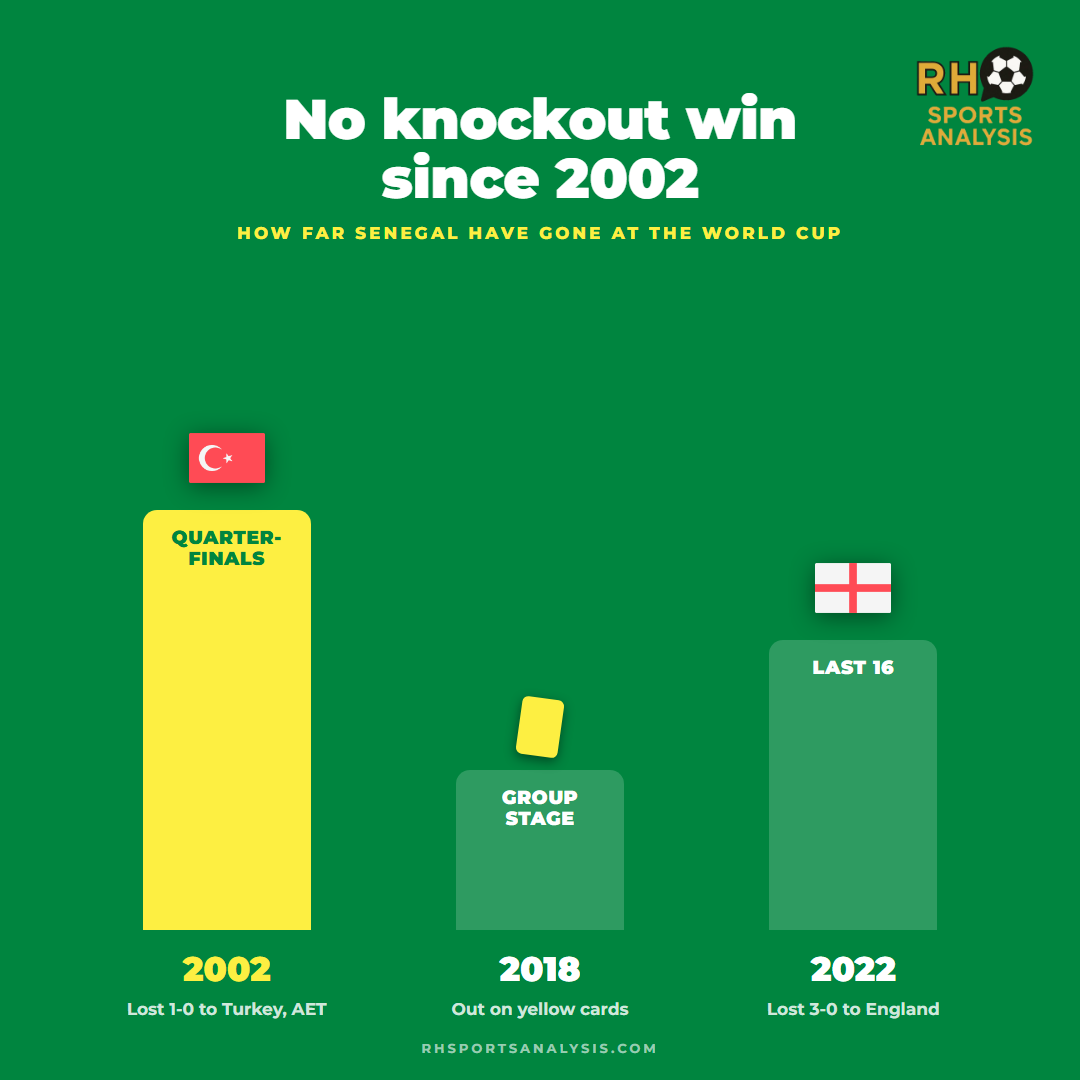
A generation that has won almost everything, with one tournament left to win the thing it wants most
Senegal arrive at this World Cup with more than a squad. They arrive with a deadline. Mané has named it as his last, and the men who have defined the team alongside him, Gueye, Koulibaly and Mendy, are all in the same closing window. They carry a continental title that was taken off them, a manager whose own future is unsettled, and a body of work that, for all its quality, has never produced the deep World Cup run the talent deserved.
That is the weight on this group, and it may be the making of them. A team with nothing left to prove at home and a sense of injustice in its kit is a dangerous thing in a tournament, especially one that opens against France, the same fixture that started all of this in 2002.
Senegal have spent a generation as the best African side never to go far at a World Cup.
This is the last time this group gets to change that.
FAQs
Why were Senegal stripped of the 2026 AFCON title?
They won the final against Morocco in extra time, but after the players briefly walked off in protest an appeal board ruled it a forfeit and awarded the title to Morocco. Senegal have appealed to the Court of Arbitration for Sport.
Is this Sadio Mané's last World Cup?
Yes. Mané, Senegal's captain and all-time top scorer, has said the 2026 World Cup will be his last.
Who is Senegal's manager?
Pape Thiaw, a former Senegal striker from the 2002 squad, appointed in December 2024. His side play a possession-based 4-3-3.
Who are Senegal playing at the 2026 World Cup?
They open against France on the 16th of June, the same fixture as their 2002 debut, then face Norway and Iraq.
What is Senegal's best ever World Cup result?
The quarter-finals on their 2002 debut. They have not won a World Cup knockout match since.
Related reading
Japan at the 2026 World Cup: A Golden Generation and the Ceiling It Has Never Broken
World Cup 2026: The 48-Team Format, Explained
Ronaldo's Last World Cup: The One He's Never Won
Our members receive data-driven selections across every sport we cover. Are you in?